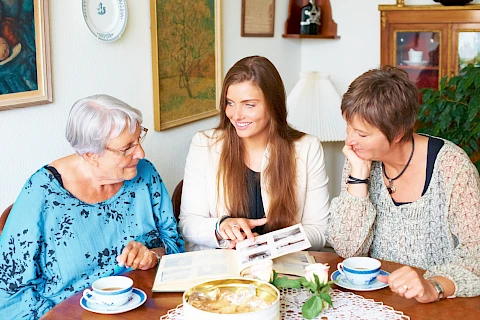
Personal stories can help with preserving family history. Senior women have memories of raising families, working, caring for their homes, and seeing changes in their communities. Writing these memories down can help future generations learn about their family’s past.
Canada marks Women's History Month each October. This is a good time for senior women in Langley to record their memories and experiences. Senior Helpers Langley offers companionship and practical support. This service can give older adults more time for personal projects and sharing their stories.
Preserving Family History Through Your Stories
History books often focus on prime ministers, major events, and battles. They may not record what bread cost in 1962 or what it was like to share a party-line telephone with three neighbours. They also may not tell how a family managed after a barn roof collapsed during a harsh winter.
These everyday details can help younger family members understand what life was like in the past. Personal memories can also add details to the history of a family and community.
Women and Gender Equality Canada provides background on Women's History Month and the women it celebrates. Many of their contributions took place at kitchen tables, in classrooms, on farms, and in other everyday settings.
Easy Ways to Start Recording
Preserving family history does not mean writing a memoir. Start with one question a week in a notebook. You could write about your first job, how you met your husband, or advice your mother gave you.
A phone can also help you record your memories. Most phones have a voice memo app, which lets you record your thoughts without writing them down. Some people find speaking easier than writing. A recording can also preserve a loved one's voice, including her laugh and the way she says certain words.
Photographs also need labels. Write names, places, and approximate dates on the back in pencil. You can also use a separate note to record this information. Without labels, photographs can become difficult for future generations to identify.
Bringing the Family Into It
Family members can help record memories by asking questions and listening to stories. Teenagers may also have questions about family history that older relatives have not thought to document.
A family dinner around Thanksgiving is a natural moment to pass around an old photo album and see what memories surface. A grandchild can take notes or record stories on a phone, with permission.
Loved ones who live farther away can stay connected through email. Sharing one memory at a time gives relatives an opportunity to add their details and perspectives.
Tracing Your Roots
Telling your story can also bring back memories of your parents and grandparents. You may remember where they came from and what brought your family to British Columbia.
Library and Archives Canada has a guide on how to begin genealogy research, including records like censuses and immigration files. Local museums and libraries can also provide access to community history resources.
Keep your family records together in one binder or folder. Consider keeping a digital copy or a second physical copy in another location to help protect your records from loss or damage.
Help With Your Story in Langley
Preserving family history can be as simple as writing down your memories and stories. Labelling photographs, recording your voice, and researching your family roots can help keep these memories for future generations.
Senior Helpers Langley supports older adults and families throughout Langley. Our caregivers can offer companionship while you sort photos, help with errands to the library or museum, drive you to family gatherings, and simply listen to the stories you want to tell. Contact us to learn how we can support you at home.