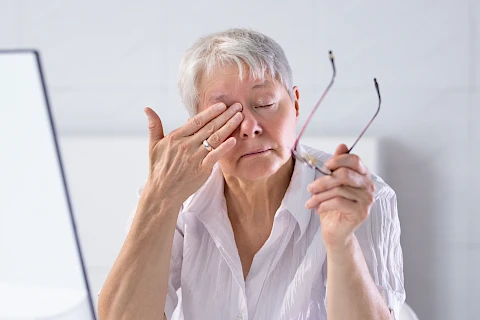
As we age, our eyes age with us, making it increasingly important to maintain eye health. Vision changes may develop gradually or occur suddenly, and noticing these changes is essential for seniors’ well-being. Learn how to identify common vision changes and why it's necessary to act quickly.
Common Vision Changes in Seniors
As seniors age, they might notice certain changes in their vision. These changes can be gradual or sudden, each posing its own set of challenges.
Gradual Vision Changes
One of the most common complaints among seniors is difficulty reading small print. Text gradually appears smaller over time, whether they’re reading a book, a menu, or a prescription label. The struggle to see fine details becomes more noticeable and can affect many daily activities.
Another gradual change involves challenges with distinguishing colours. Colours may not appear as bright or distinct as they once did, making everyday tasks such as selecting clothes more challenging.
Sudden Vision Changes
Sudden changes in seniors’ vision require immediate attention. Experiencing sudden blurriness or seeing double images can significantly impact balance and orientation, making it difficult for seniors to navigate their environments safely.
Increased light sensitivity is another concern that can develop quickly. Harsh lights, whether from the sun or indoor lighting, can be uncomfortable and make situations like driving much more hazardous.
Importance of Early Detection
Recognizing and addressing vision changes early is beneficial for maintaining seniors’ independence and safety. Even minor vision changes can impact daily activities such as cooking, cleaning, and navigating the home safely, making them potentially challenging.
Regular eye exams monitor any changes and allow for appropriate action. By identifying problems early, seniors can make necessary adjustments to help maintain their quality of life. Always report changes in vision to a healthcare provider to explore possible solutions.
Adapting to Vision Changes
Adapting to vision changes in seniors doesn't have to be overwhelming. Here are some practical tips to help manage these changes:
- Use Magnifying Tools and Proper Lighting: Simple tools like magnifying glasses can make reading easier. Bright, evenly distributed lighting can also help illuminate spaces better, reducing eye strain.
- Organize Living Spaces for Safety: Keep living areas tidy and free from obstacles to minimize the risk of trips and falls. Ensure objects are consistently placed in the same locations to make them easier to find.
Maintaining open communication is best. Speak with family members and caregivers about any difficulties arising from vision changes. Their support can be instrumental in ensuring the environment remains safe and comfortable for seniors.
Seeking Professional Care
When vision changes occur, seniors need to find the right eye care professional. Optometrists and ophthalmologists can assess seniors’ vision and recommend personalized treatments. Routine check-ups can help keep track of their eye health and address any concerns promptly.
Understanding the treatment options available can also be empowering. These may include prescription glasses, contact lenses, or even surgical solutions for some conditions. Resources like support groups or vision rehabilitation services can offer valuable assistance.
Seek Personalized Support From Senior Helpers
Recognizing vision changes and taking action can significantly impact seniors’ quality of life. Early detection and adaptation can help maintain their independence and safety.
Senior Helpers Langley is here to support you and your loved ones. For personalized support and assistance in Langley, contact us at Senior Helpers Langley to ensure your senior loved ones receive the care they deserve. Let us prioritize seniors’ eye health and help them continue living life to the fullest.