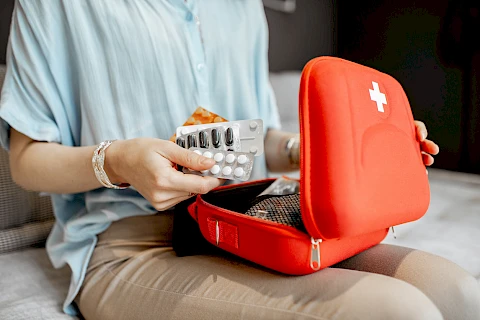
The first summer I helped care for an older relative, I left a pill organizer on the dashboard during a quick errand in Langley. When I came back, half the tablets had gone soft around the edges.
It was a small mistake and, fortunately, an easy one to correct once I knew better. Many new caregivers make the same mistake without realizing how much heat and direct sunlight can affect medication.
Why Heat Changes Medication So Easily
Most prescriptions are made to be stored at room temperature, generally somewhere between 15 and 25 degrees Celsius. A car parked in the sun on a warm Willoughby afternoon can climb well past 50 degrees within minutes, far outside that safe range.
Capsules can soften and stick together. Tablets can develop a chalky film or begin to crumble. Liquid medications and certain inhalers are especially sensitive, since heat can break down their active ingredients faster than the label's expiration date would suggest.
What This Looks Like in Practice
Observe physical changes as your initial indicator. A pill that looks melted, discoloured, or unusually soft has likely been compromised, even if it was fine the day before. Ointments and creams left in a hot glove compartment near Fort Langley can separate or turn watery.
Some medications won't show any visible sign of damage at all. That's why medication safety in hot weather is more about proper storage and prevention than trying to spot problems after the fact.
Keeping Medications Cool and Stable
Store medications inside the house, away from windows and direct sunlight. A cabinet is usually a better choice than the bathroom, where moisture from showers can affect how medications are stored.
When heading out for the day in Aldergrove or anywhere else, carry medication in an insulated bag with a small ice pack. This helps keep it at a stable temperature for a few hours. It also helps prevent the medication from freezing, which can be just as damaging as excessive heat.
Carrying Only What's Needed
Rather than bringing an entire pill organizer on a day trip, pack only the doses needed for the outing. If needed, include a small amount of any "just in case" medication.
This limits how much medication is exposed to heat at any given time and makes it easier to notice if something looks off before it's taken. It also means that a lost bag or forgotten container in a hot car does not represent a complete medication supply.
When in Doubt, Ask a Pharmacist
It isn't medical advice, and specific questions about how a particular medication responds to heat are best directed to a pharmacist or doctor. They can flag which prescriptions in your loved one's routine are especially heat-sensitive and offer guidance suited to that exact combination of medications.
The Public Health Agency of Canada states that some medications can affect how the body handles heat. That's one more reason to speak with a pharmacist before a heat wave hits rather than during one.
Staying Ahead of the Summer Heat
A little planning goes a long way when storing and transporting medication. These simple steps support medication safety in hot weather and help keep your loved one's daily routine on track during the hottest months.
We're glad to support caregiving families in Langley with the guidance and hands-on help that make summer caregiving less stressful. If you'd like support building a safer routine for medication management, contact us anytime.