A wheelchair basketball game moves faster than most people expect. So does a seated volleyball rally, or a round of adaptive curling on a Tuesday morning in a Kitsilano rec centre. If it's been years since your father played a real sport, adaptive programs might be the thing that gets him back into the game, literally.
Adaptive sports are designed for people with a range of physical or cognitive abilities, from mild mobility limitations to more significant ones. The equipment changes,the rules may be adjusted, but the competition and camaraderie are real. At Senior Helpers, we encourage older adults to explore activities that support independence, confidence, and meaningful social connections, helping them stay engaged in the hobbies and experiences they enjoy most.
What These Programs Actually Look Like
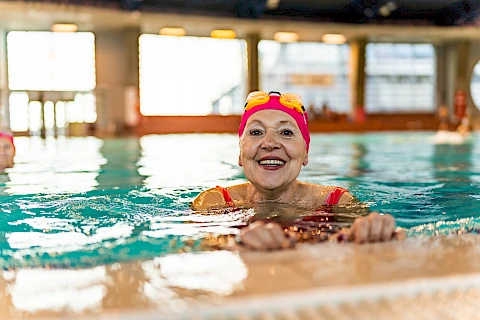
Most adaptive sports programs in the Vancouver area run through community centres, therapeutic recreation societies, or organizations that partner directly with municipal facilities. You'll find seated exercise classes, adaptive cycling with hand-pedaled trikes, lawn bowling with grip-assist equipment, and swim programs with lift access for pools in Fairview and Marpole.
Some programs are drop-in, others require a short intake conversation so instructors understand what your relative can do and where they'd like a challenge.
Costs vary but many municipal programs are subsidized, and some organizations offer sliding-scale fees. It's worth calling ahead and asking directly what a first session looks like. Most coordinators are used to nervous first-timers and their families.
The Case for Trying, Even With Real Limitations
It's easy to assume a parent with significant mobility challenges or early memory changes isn't a fit for organized sport. That assumption closes a door that's often still open. Adaptive programs are built for exactly this range of ability. A woman using a walker can still participate in seated tai chi. A man managing the early stages of Parkinson's can still swing a modified golf club at a program in Killarney.
The physical benefits are well documented. Regular movement supports balance, cardiovascular health, and muscle strength, which in turn can reduce fall risk. The Heart & Stroke Foundation has long pointed to consistent physical activity as one of the more reliable ways older adults protect their heart health as they age.
Anyone returning to exercise after a long break or managing a health condition should speak with a healthcare provider about an appropriate activity level before getting started.
The Social Payoff Might Matter Even More
Ask anyone who has watched a shy relative come alive at a weekly pickleball clinic in Grandview - Woodland. The connection formed over shared effort, a missed shot, a good rally, tends to run deeper than small talk at a family dinner. Teammates check in on each other. Regulars start carpooling. What began as a way to get moving often becomes the highlight of someone's week.
Getting Started Without Overwhelming Anyone
Start small. One trial session, one sport, one low-pressure introduction. Bring your relative to watch a session first if trying it feels like too much on day one. Ask the instructor about accommodations before committing, and don't be surprised if the first choice isn't the right fit. It sometimes takes two or three tries to find the sport that clicks.
A Season for Getting Back in the Game
Whether your family is based in Vancouver, Kitsilano, Fairview, Marpole, Killarney, Champlain Heights, Dunbar Southlands, Grandview - Woodland, Kensington - Cedar Cottage, or Mount Pleasant, adaptive sports are worth exploring this summer.
If you'd like help finding the right program or arranging transportation and companionship to get your relative there consistently, contact us and we'll help you sort out the details to help them get back in the game.