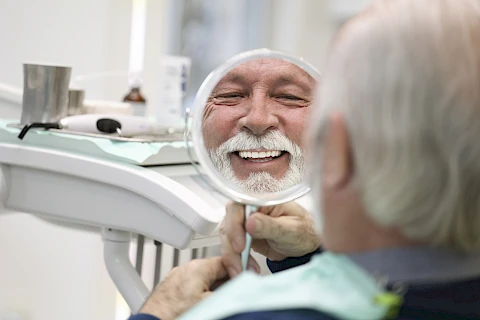
Oral care affects more than a smile. A sore mouth, loose denture, or dry mouth can make eating and speaking uncomfortable and may affect daily routines. Brushing twice a day and keeping regular dental visits can help maintain comfort and oral health. Addressing small problems early can also prevent them from becoming more difficult to manage.
Keep the Routine Manageable
Brush twice each day with a soft-bristled toothbrush and fluoride toothpaste. Hold the brush gently toward the gumline and use small, circular motions rather than scrubbing hard. If stiff hands or limited grip make brushing difficult, an electric toothbrush or toothbrush with a thicker handle may be easier to manage.
Clean between the teeth once a day with floss, an interdental brush, or another tool recommended by a dental professional. The Government of Canada’s oral health information explains how regular oral care and dental visits support oral health throughout life. If a tool feels awkward to use, ask the dental team to demonstrate the proper technique.
Give Dentures Daily Attention
Dentures need daily cleaning. Remove them over a folded towel or a sink partly filled with water in case they slip. Use a denture brush and a cleaner designed for dentures, then rinse them thoroughly.
Take dentures out at night unless a dental professional recommends otherwise. Clean the gums, tongue, and roof of the mouth with a soft brush or cloth, then store the dentures in water or a soaking solution as directed. A labelled cup by the sink can make the routine easier and prevent a frantic search before breakfast.
Watch for Mouth Changes
Contact a dentist about mouth pain, bleeding gums, sores that do not heal, swelling, loose teeth, cracked dentures, or difficulty chewing. Dry mouth can increase the risk of cavities and make eating and speaking less comfortable. A dentist, pharmacist, or physician can help identify possible causes and recommend appropriate steps.
In Vancouver, a family member may notice that a parent is avoiding favourite foods. In Kitsilano, denture discomfort may show up as skipping lunch with friends. Mention these changes during a dental visit, as they can provide useful information about a person's oral health and comfort.
Keep Visits on the Calendar
Regular dental check-ups give the dental team an opportunity to identify concerns that may be difficult to notice at home. Help arrange transportation if driving or public transit has become difficult. Bring a current list of medications and any concerns noticed since the previous visit.
In Fairview, a written calendar reminder can help keep an appointment on track. In Marpole, a companion can wait nearby and help review instructions afterward. When appropriate, schedule the next appointment before leaving the dental office.
Pay attention to oral care tools, too. Replace a toothbrush when the bristles become worn or spread out, and ask the dental office about a smaller toothbrush, floss holder, or other adaptive tool if grip is difficult. Keep supplies visible and within easy reach. A simple setup near the sink can make the routine easier to maintain, particularly when fatigue sets in.
Some seniors need a reminder rather than hands-on assistance. A note on the mirror or a toothbrush placed beside morning medications may help. Familiar routines can make daily care easier to remember. If memory changes are leading to missed oral care, discuss practical options with the dental team.
When circumstances change, pause and review the routine together. Something that felt manageable a month ago may feel different now, and the person receiving support should have a say in how their care is provided.
Simple Habits for Better Oral Care
A few practical habits can make daily oral hygiene easier to maintain:
- Keep a soft-bristled toothbrush and fluoride toothpaste within easy reach.
- Clean between the teeth once a day using an appropriate tool.
- Clean dentures daily and remove them at night unless advised otherwise.
- Watch for changes such as mouth pain, swelling, sores, or difficulty chewing.
- Keep dental appointments on the calendar and arrange transportation when needed.
- Replace worn toothbrushes and choose adaptive tools when grip is difficult.
- Include the senior in decisions about their daily oral care routine.
Oral Care for Everyday Comfort
Good oral hygiene can support comfortable eating, speaking, and everyday life. With the right routines and practical assistance, seniors can maintain their personal care while continuing to have as much independence as possible.
Senior Helpers Vancouver provides in-home senior care tailored to individual preferences and routines. Our caregivers can support daily personal care, help seniors prepare for dental appointments, and keep oral care supplies organized and within reach.
Contact us to learn more about in-home senior care in Champlain Heights, Vancouver, Dunbar Southlands, Fairview, Grandview - Woodland, Kensington - Cedar Cottage, Killarney, Kitsilano, Marpole, and Mount Pleasant.