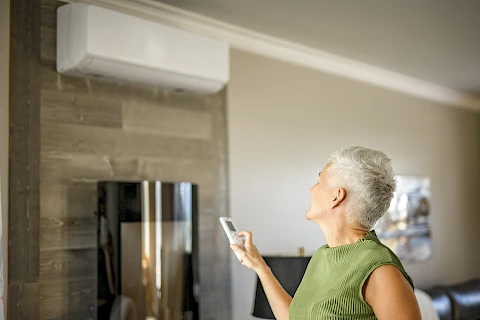
Summer can swing from comfortable to genuinely uncomfortable in a single afternoon, and the heat hits older adults harder than most people realize. Aging changes how the body senses temperature and regulates fluids, so a warm day that feels manageable to younger family members may pose a real risk to an older adult. A few summer heat safety tips and a thoughtful indoor setup go a long way toward protecting seniors through the warmest stretches of June, July, and August.
Setting up a Cool Space at Home
One of the most essential summer heat safety tips for seniors is keeping the home cool and comfortable. If seniors have air conditioning, run it. Setting the thermostat between 22 and 24 degrees Celsius during the hottest part of the day keeps the home in a range seniors' bodies can manage. If they don't have central air or it's not enough, designate one room as their "cool room" with a window unit or portable air conditioner. Drawing the curtains or closing the blinds on the sun-facing side of the house during the day keeps the indoor temperature noticeably lower.
A fan helps, but it is not enough on its own once the room temperature climbs above about 32 degrees. Above that, a fan blowing hot air around can actually contribute to heat exhaustion. Pair fans with cooler indoor air, a cool shower, or damp cloths on the wrists and the back of the neck. Health Canada provides detailed guidance on protecting older adults during extreme heat events.
If seniors' homes are consistently hot, identify a cool place they can go during the worst hours. This may include a public library, a shopping centre, a community centre, or a neighbour's air-conditioned home. Knowing where they can go before they need it makes the decision easier in the moment.
Hydration and Meals That Help
Hydration is an essential aspect of summer heat safety for seniors. They should drink water steadily through the day rather than waiting until they feel thirsty. Thirst is often a late signal in seniors, so it helps to keep a glass within reach and sip regularly. Six to eight glasses a day is a reasonable starting point. However, check with a doctor if seniors have heart or kidney conditions that affect fluid intake.
Water-rich foods add to daily fluid intake in addition to the beverages seniors drink. Cold yogurt, fresh berries, cucumber slices, watermelon, and chilled soups all contribute. Heavy, hot meals on a hot day make the body work harder, while lighter meals often tend to sit better.
Knowing the Warning Signs
Summer heat safety for seniors begins with recognizing early signs of heat illness, including fatigue, headache, dizziness, and unusual weakness. If caregivers notice these signs in a loved one, they should move the person to the coolest room available, offer water slowly, and apply something cool to the skin. If seniors' symptoms worsen, if they feel confused, stop sweating, or develop a rapid heartbeat, call for help right away. Heat stroke is a medical emergency.
Check in with neighbours and family during heat waves. A quick call from someone to make sure seniors are managing the day can catch a problem early.
Making Summer Safer at Home
A comfortable, well-prepared home is the foundation for getting through summer well. Summer heat safety for seniors starts with a little planning before the season's hottest days arrive. Senior Helpers Burlington supports older adults across Burlington, Alton Village, Lakeshore, Aldershot, and North Burlington with in-home care and attentive monitoring during hot weather. Contact us to learn how we can help seniors stay comfortable and safe this summer.