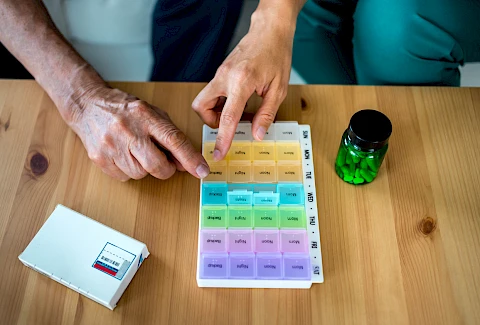
Seniors who take several medications every day already know how quickly the routine can feel complicated. A pill at breakfast, a different one at lunch, one with food, one without, a weekly tablet on Mondays. Getting it right every day takes real attention, and on a morning when seniors are tired or distracted, even a simple regimen can get tangled. A few habits for organizing senior medications, set up initially and maintained over time, make the daily routine more manageable.
A Weekly Pill Organizer: The Simplest System That Works
There are several ways to start organizing senior medications. A weekly pill organizer sorted by day and time is the most reliable starting point. Look for one with compartments labelled for morning, noon, evening, and bedtime. Fill it at the same time every Sunday, and from there, seniors only need to open the right compartment at each dose time.
The visual check this provides is its biggest advantage. If seniors glance at the morning compartment and it is still full at noon, they know immediately that the dose was missed. That certainty matters, especially for medications where consistency affects how well they work.
For a more complex regimen, a pharmacy blister pack is worth asking about. Many pharmacies prepare these packs; each dose comes pre-sorted by date and time, so seniors can pop out one blister instead of managing individual bottles.
Building Reminders Into Existing Routines
Organizing senior medications also involves building reminders into existing routines. A reminder works best when seniors tie it to something they already do consistently. Taking a medication with breakfast means seniors take it every day they eat breakfast. Using medication reminder apps or a phone alarm labelled with the medication name can also help.
If technology feels uncomfortable, a paper checklist on the refrigerator with a box to check off each dose accomplishes the same thing. Some seniors also find that a morning check-in call from a family member or neighbour naturally prompts the medication routine.
Creating a Medication List to Share
A written medication list that your loved ones can hand to a physician, pharmacist, or caregiver is one of the most practical strategies in organizing senior medications. Include every prescription, over-the-counter drug, vitamin, and supplement, along with the dose and how often seniors take it. Update it whenever something changes.
Keep one copy at home in a consistent spot, such as on the refrigerator or in a wallet, and give a copy to a trusted person. If seniors are ever in an emergency, having that list accessible allows healthcare providers to make accurate decisions quickly.
Setting Prescription Refill Reminders
Set a reminder to request a refill when seniors are down to approximately a two-week supply. Many Ontario pharmacies offer automatic refill programs; ask pharmacists whether your loved one's medications qualify. Sharing a senior’s refill schedule and letting someone check in on it can help ease your mental load.
Let Us Help Seniors Stay On Track With Their Medications
Organizing senior medications is mostly about consistent habits, and small organizational investments pay off for a long time. Our team at Senior Helpers Durham Region supports older adults in Ajax, Clarington, Newcastle, Oshawa, and Whitby with in-home care, including medication reminders and daily assistance. Contact us to learn how our caregivers can help seniors stay on top of their health routine.