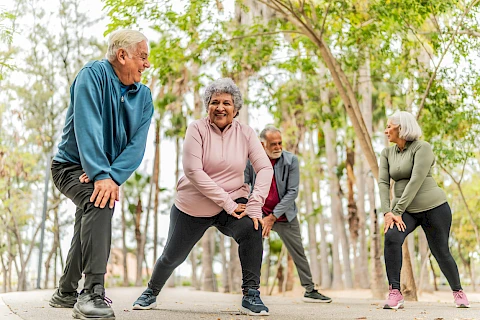
Falls in seniors can affect more than physical health. After a fall, older adults may hesitate to return to everyday activities, from taking regular walks to doing household chores. Even after bruises heal, fear of falling again may linger, causing seniors to avoid familiar routines and outings. Fall Prevention Month in Canada is a timely reminder for families to help senior loved ones rebuild confidence, stay active, and feel safer at home and in their communities.
Why Fear Lingers After the Bruises Fade
Falls in seniors can affect confidence and make older adults less comfortable moving around. After a fall, many seniors become less active without realizing it. Over time, this can weaken their legs and affect their balance, making everyday activities, such as climbing porch steps or running errands, feel more difficult. This can lead to even greater fear of falling.
Seniors may not always express these concerns out loud. Watch for signs such as holding onto hallway walls while walking or turning down invitations they would have accepted in the past. Bring up these observations gently and choose a calm moment to talk.
Small Wins Around the House
Confidence can return through practice. Start with the routes seniors use every day, such as walking from the bedroom to the bathroom or using the stairs. Remove throw rugs, replace dim bulbs with brighter ones, and check that railings are secure on both sides. These changes can make familiar paths feel safer and lower the chance of a fall.
Next, encourage seniors to practice walking these routes. A few trips to the mailbox with a family member can build confidence before trying the walk alone. Each successful trip can make everyday activities feel less intimidating. Parachute, a Canadian injury prevention charity, also provides fall prevention information for older adults and families. Recognizing common hazards can help families prevent falls in seniors.
Strength, Balance and Better Boots
Seniors can ask their family doctor whether seeing a physiotherapist or joining a class to improve stability and muscle strength would be a good option. Many communities offer recreation programs for older adults, including fitness classes. A doctor can also review medications that may cause dizziness and check vision and footwear to identify possible fall risks.
Proper footwear also matters, especially during winter. Look for boots with low, wide heels and treads that grip packed snow. Seniors can also keep a pair of ice cleats near the door for added traction during outdoor walks.
Staying Connected Keeps the World Open
When fear keeps seniors at home, loneliness can follow. Weekly social gatherings may continue without them, and their days can start to feel repetitive. The Government of Canada's report on social isolation among seniors examines its effects on seniors and highlights the value of maintaining social connections.
Regular social plans can make a difference. Encourage seniors to maintain a few activities, such as attending services at their place of worship or inviting a neighbour over for tea. Short outings and regular visits can gradually rebuild social connections and physical confidence while helping prevent falls in seniors.
We Can Help Reduce the Risk of Falls in Seniors
Getting back to the mailbox, the porch steps, the Sunday drive takes practice and a steady hand nearby. While your parent rebuilds a routine, Senior Helpers Durham Region can offer companionship, help with daily tasks, and rides to appointments. Our caregivers serve seniors across Ajax, Courtice, Newcastle, Uxbridge, and Whitby. Contact us to learn more about our in-home care services.