Many adult children only start thinking about a parent's bones after a fall. By then, the conversation may already be about fractures, appointments, and recovery. Bone health for seniors is easier to support when nutrition, movement, fall prevention, and medical follow-up are built into ordinary routines. Senior Helpers discusses six practical ways families can make those habits easier to maintain.
1. Build Calcium Into Familiar Meals
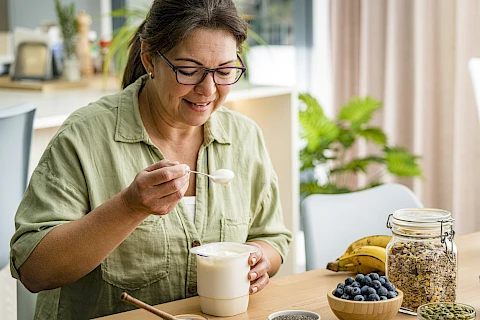
Nobody needs a whole new diet. Add milk to morning porridge, a yogurt at lunch, or canned salmon mashed with its soft bones into sandwiches to add calcium without much fuss.
Osteoporosis Canada's nutrition page covers calcium, vitamin D, and protein for bone health. Print a copy for whoever does the grocery shopping.
2. Keep Protein on the Plate
Appetite often shrinks with age. Eggs, beans, lentils, fish, and Greek yogurt help keep the leg muscles strong, and those muscles steady the body and cushion bones during a stumble. Boiled eggs in the fridge make an easy snack.
3. Ask the Doctor About Vitamin D
Sunlight in a southwestern Ontario winter doesn't do much for vitamin D levels, and few foods contain it naturally. Whether a supplement makes sense is a decision for your parent's family doctor, who can weigh diet and medications along with other health conditions. Write the answer down.
4. Make Weight-Bearing Activity a Shared Routine
Bones respond to load. Walking, climbing a few stairs, and light strength exercises all count, and so does dancing in the living room. A daily walk along the Sarnia waterfront in good weather, or laps at an indoor mall in January, gives bones regular work and gives you time together.
Check with the doctor before starting anything new. Consistency over months matters more than effort on any single day, so choose something your parent enjoys enough to repeat.
5. Take the Trip Hazards Out of the House
Falls are a major cause of injury among older Canadians, and many risks can be reduced with simple changes around the home. The Public Health Agency of Canada's page on preventing falls offers guidance families can use at home.
Look for a few common trouble spots:
- Loose rugs and clutter - Remove or secure anything that can catch a foot.
- Dark hallways - Add night lights, especially between the bedroom and bathroom.
- Bathrooms - Consider properly installed grab bars and non-slip surfaces.
- High shelves - Keep frequently used items within easy reach.
- Outdoor steps - Clear snow, ice, and leaves promptly during colder months.
Canadian fall-prevention guidance also recommends good lighting, clear walking paths, handrails, and reducing obstacles around the home.
6. Stay on Top of Appointments and Medications
A bone density test measures bone strength and can help a doctor decide on treatment. Ask whether one is due. If your parent takes medication for osteoporosis, gentle reminders help, since some of these medicines come with specific instructions about timing and food that a pharmacist can walk you through at pickup.
Keep a written list of every medication, including anything that causes dizziness, and tuck it in the same folder you take to each visit.
Bone Health for Seniors: Support in Sarnia and Petrolia
Six habits are a lot to juggle from an hour away. Senior Helpers Sarnia-Lambton helps families in Sarnia and Petrolia with meal preparation, grocery trips, walks and companionship, medication reminders, and rides to appointments. Our caregivers keep these small routines going between family visits. Contact us to discuss support with bone-healthy meals, walks, reminders, and rides.