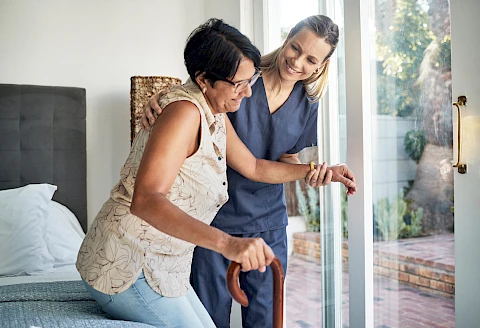
Chronic pain is a common issue for many seniors, and for many, it significantly interferes with everyday life. As we age, managing chronic pain safely becomes crucial to maintaining quality of life. Achieving pain relief while safeguarding heart health can be a challenging balance to strike. You can help improve your loved one's comfort without compromising their overall health by focusing on safe pain management.
Communicating With Healthcare Providers
Effective and open communication with healthcare providers is key to safely managing chronic pain in seniors. Preparing for medical appointments can help ensure that you make the most out of these visits. Before the appointment, jot down any questions or concerns you have about pain management, and encourage the senior you're caring for to do the same. Understanding their symptoms and medications can provide valuable context during these conversations.
During appointments, ask the right questions. How might certain medications interact with other treatments? Are there specific side effects to be aware of? You build a stronger partnership with the healthcare team by actively engaging in these discussions.
Medication Management
If your loved one is prescribed medication for pain management, learning about these medicines is crucial. Know how each prescription works. Be aware of potential risks and side effects, especially those that might impact heart health. Some medications, for instance, can lead to an increased heart rate or cause other cardiovascular issues.
Strictly adhere to prescribed dosages. Taking too much or too little medication can be dangerous. Keep an organized schedule or chart to track when medications should be taken to help prevent missed doses or accidental double-dosing.
Non-Pharmaceutical Approaches
Managing chronic pain isn't solely about medication. Non-pharmaceutical approaches offer valuable alternatives. Physical therapy and gentle exercises can strengthen the body and ease pain. Encourage activities such as walking or water aerobics, which are often recommended for seniors.
Diet also helps manage pain. Encourage a balanced diet rich in anti-inflammatory foods, such as fruits, vegetables, and omega-3 fatty acids from fish. These foods can help reduce inflammation and associated pain.
Consider mind-body practices like meditation or yoga. These approaches promote relaxation and can reduce the perception of pain.
Balancing Pain Relief With Overall Health
While managing pain, monitor the senior's overall health. This includes monitoring heart health. Understand the signs of overmedication, such as dizziness or unusual tiredness, and consult a healthcare provider if they occur.
Additional Support for Seniors Living With Chronic Pain
Living with chronic pain can be very difficult for many seniors. With help from their caregivers and care providers, however, they can maintain a better quality of life. If you need more help caring for a loved one in Mississauga's Chelsea Towers, City Centre, Creditview, East Credit, and Rathwood, Senior Helpers Mississauga Central is ready to support you. Reach out today to learn more about how we can help your loved one live comfortably and safely, from help with medication management to assistance with lifestyle adjustments.