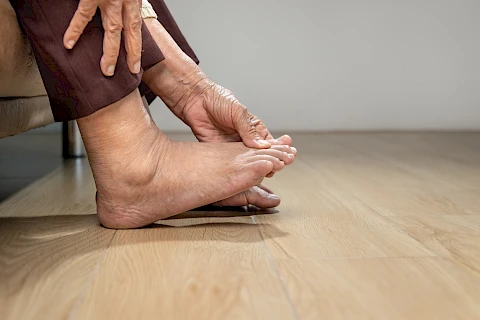
Healthy feet are integral to staying active and independent as you age. A consistent foot care routine, comfortable footwear, and attention to changes in your feet can help prevent minor concerns from becoming more serious problems. Knowing how to care for your feet, manage common problems, and recognize when to seek professional advice can make it easier to maintain mobility and continue doing the activities you enjoy.
Check Your Feet Daily
Daily foot checks can help catch potential problems early on. Sit in a bright room and check the tops, soles, heels, and spaces between your toes. Look for redness, swelling, cracked skin, blisters, cuts, or nail-colour changes. Consider using a hand mirror to make it easier to see areas that are difficult to reach.
Keep Feet Clean and Dry
Wash your feet daily with warm water and mild soap. Dry them thoroughly, especially between the toes. Apply a moisturizer to dry or cracked skin, but avoid putting it between the toes, where excess moisture can encourage skin problems.
Fresh socks can also help keep your feet comfortable. Choose clean socks that fit well and change them regularly, particularly if your feet become sweaty or damp.
Seniors living with diabetes should pay particular attention to foot care and discuss their individual foot-care needs with a health-care provider. Diabetes can affect circulation and sensation in the feet, which may make it harder to notice an injury.
Choose Shoes That Fit Well
The right footwear can protect your feet and make walking more comfortable. Look for shoes with enough room for your toes to move freely, a secure fit around the heel, and soles that provide good traction. Avoid shoes that pinch, rub, or leave your toes cramped.
Check the inside of your shoes before putting them on. Small stones, rough seams, folded socks, or other objects can cause irritation or pressure without being immediately noticeable.
Your footwear needs can also change as you age. Weight changes, swelling, or the use of a new brace or support may affect how your shoes fit. Have your feet measured if your usual shoes no longer feel comfortable, rather than automatically buying the same size. For additional guidance, consider speaking with a qualified footwear professional or health-care provider about shoes that suit your foot shape and daily activities.
Know When to Ask for Help
Even with a care routine, some foot concerns require professional attention. A podiatrist or health-care provider can advise on difficult-to-manage nails, pain, numbness, corns, calluses, or changes to your walking.
Keep track of soreness, changes in shoe fit, or anything unusual about how your feet look or feel. Seek prompt care for an open wound, spreading redness, sudden swelling, or a foot that becomes cold or pale. Sharing these changes with your health-care provider can help identify problems before they interfere with your mobility.
Make Daily Foot Care Easier with Support From Senior Helpers
Good foot care is one part of maintaining senior mobility and independence at home. Senior Helpers Mississauga Central can support personal care routines that help older adults stay healthy and comfortable while aging at home. We serve Chelsea Towers, City Centre, Creditview, East Credit, and Erindale. Contact us to learn more about our services!