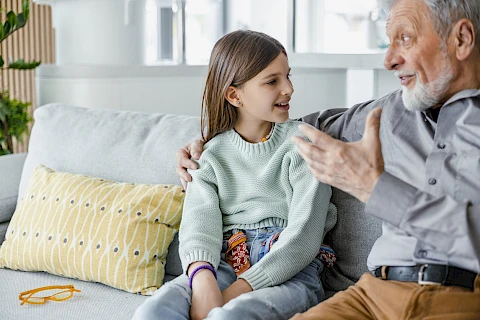
National Grandparents Day this September is a good excuse to do something you have been meaning to do for a while: sit down with your elderly loved and get their stories on record. The recipe your grandmother made from memory and the story of how your parents met at a dance in the sixties are pieces of family history that can slip away quietly if nobody writes them down. Taking the time to capture those memories gives your family something to return to for years to come.
Start with a Simple Conversation
You do not need to plan a long interview. Start with one question during a visit or phone call. Choose something specific and open-ended. “What was your bedroom like when you were ten?” is easier to answer than “Tell me about your childhood.”
Keep a list of questions on your phone so you have ideas ready for the next conversation. Pay attention when a memory sparks their interest. If your father starts talking about his father's woodworking shop, ask what it was like or what he remembers about spending time there. One story can lead naturally to another.
Ways to Record Family History
A smartphone is often all you need to save a family story. Place it on the kitchen table and let it record while you talk. Many phones can also create a written transcript from the recording. Some family members may prefer not to be recorded. In that case, keep a notebook nearby and jot down important details. Add the date and a short note about the story so you can find it later.
Video calls are another option. A grandchild who lives in another city can join the conversation and ask questions of their own. The Royal BC Museum's oral history resources also offer tips for conducting and recording an oral history interview.
Involving Grandchildren in the Process
Grandchildren can make these conversations more relaxed and fun. Younger children may have questions that adults would not think to ask. Give them a few simple ideas, such as “What toys did you play with?” “What was school like?” or “What was your first job?” Then let the conversation take its own direction.
Older grandchildren can take on a bigger role. They might record the conversation, organize photos, edit audio, or type up stories. A grandchild who enjoys technology could also turn several recordings into a digital album or a small family book.
Organizing Family Memories so They Last
Recordings and notes are easier to appreciate when you can find them later. Choose one place to keep everything, such as a folder on your computer with a cloud backup. You can organize it by year, family member, or topic. Give each file a clear name that includes the date and subject.
Print a few favourite stories for a family album, or write them in a notebook alongside old photos. Include names, places, and dates whenever you can. Those details can make the stories much easier for future generations to understand.
More Time for Family Stories with In-Home Support From Senior Helpers
Family stories are worth recording while your loved ones can still share them in their own words. Having more support at home can mean more time together to make those conversations easier to have. Senior Helpers Mississauga Central provides in-home care that can take some of the pressure off everyday routines. Contact us to learn more about our senior care services in Chelsea Towers, City Centre, Meadowvale Village, Northeast Mississauga, and Rathwood.