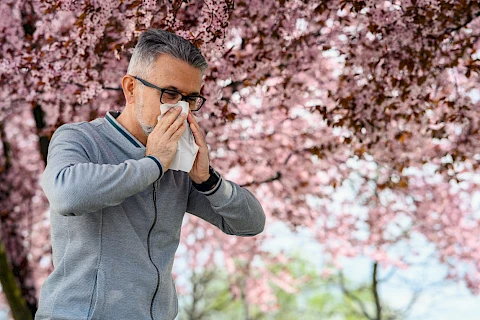
Spring arrives fast around Mississauga and Etobicoke, with tree pollen kicking up before the last frost even settles. For seniors, that seasonal shift can mean more than a runny nose. Allergy symptoms tend to evolve with age, and what felt manageable at 45 can feel much more disruptive at 75. Learning those changes is the first step to managing spring allergies and keeping the season enjoyable.
How Allergies Change as We Age
The immune system becomes less predictable over time, which might suggest fewer allergies, but the reality is more complicated. Some older adults do see their hay fever improve. Others develop new sensitivities they never had before. And even when the allergic response itself is milder, the effects can be harder to bounce back from.
The bigger concern is the overlap with other health conditions. Seasonal allergies can worsen asthma, increase the risk of sinus infections, and disrupt sleep. Antihistamines that work fine for younger adults can cause confusion, dizziness, or urinary retention in older individuals. The National Institute on Aging recommends that older adults talk with their doctor before starting any new allergy medication. The first-generation antihistamines, in particular, carry greater risks for this age group.
Practical Steps for Managing Symptoms at Home
Limiting exposure is the most reliable strategy, and it doesn't have to mean staying indoors all season. Keeping windows closed on high-pollen days and checking local air quality reports before morning walks helps considerably. Pollen counts are typically highest between 5 and 10 a.m., so shifting outdoor time to the afternoon makes a real difference.
Inside the home, a few consistent habits help. These include changing clothes and rinsing off after spending time outside, running an air purifier with a HEPA filter in the bedroom, and vacuuming more frequently during peak season. Families in Lakeview and Long Branch, close to the lakeshore, often find that breezy days push pollen counts higher than expected despite the waterfront air. Keeping an eye on the local forecast for pollen levels, not just weather, is a worthwhile habit.
For seniors in Applewood and Mineola who love spending time in the garden, mornings right after rain are usually the best window, since rain temporarily clears pollen from the air. Wearing sunglasses and a hat when outdoors also helps reduce how much pollen contacts the eyes and hair.
When to Involve a Healthcare Provider
Persistent congestion, recurring headaches, sleep that keeps getting interrupted, or wheezing that comes and goes are all reasons to check in with a doctor rather than waiting it out. Allergy testing is available for older adults, and a specialist can help identify specific triggers and recommend treatments, including non-sedating antihistamines, nasal corticosteroids, or immunotherapy, that are better suited to the physiological changes that accompany aging.
It's also worth reviewing existing medications with a pharmacist before adding anything new. Drug interactions are more common with age, and your pharmacist can flag concerns that might not be obvious.
Staying Comfortable Through the Season
Spring should be something to look forward to. Senior Helpers of Etobicoke & Mississauga East supports older adults and their families across Eringate-Centennial-West Deane, Etobicoke West Mall, Lakeview, Long Branch, and Markland Wood. If managing spring allergies and daily routines gets harder during allergy season or any other time of year, contact us to learn how we can help.