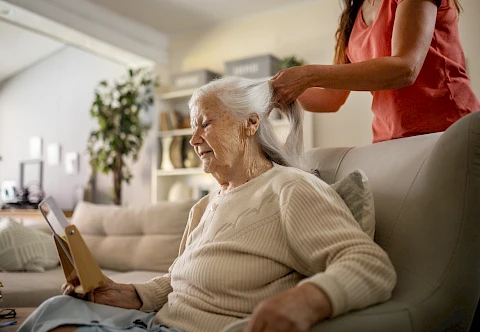
Personal hygiene can become more difficult as people age, especially when bathing, dressing, grooming, or using the bathroom requires assistance. For caregivers, the physical tasks are only part of the process. How you offer help matters just as much. Respectful communication, privacy, and personal choice could help seniors feel more comfortable while receiving the care they need.
Ask Before Offering Help
Choose a calm, private time to discuss personal hygiene. Ask what assistance would be helpful rather than assuming what the senior needs. They may want supplies set out while bathing independently or need help with hard-to-reach areas or dressing. Offer choices about bathing, clothing, or timing whenever possible. Giving seniors a say in their personal care allows them to stay involved in decisions about their own care.
Protect Privacy During Personal Care
Privacy can make personal care feel less exposing. Close the bathroom door, use a robe or towel for coverage, and avoid discussing hygiene around visitors or family members. Speak directly to the senior and ask permission before entering or assisting. If they request a moment alone and it is safe to do so, give them that space.
Create a Comfortable Routine
Set soap, towels, toiletries, and clean clothes within reach so the senior can complete as much of the routine as possible without assistance. A clear path, adequate lighting, and a sturdy place to sit may also make personal care easier.
A familiar routine may reduce discomfort around asking for help. However, avoid treating the routine as fixed. A senior may prefer a different time, product, or approach from one day to another.
Pay Attention to Changes
Skipping a shower once is usually just that. However, repeated hygiene changes, difficulty managing buttons, or needing more help with familiar tasks may be signs a senior loved one needs more help. Pain, dizziness, low mood, vision changes, or mobility difficulties could make bathing or dressing harder. Notice patterns rather than making assumptions, and share observations with a health professional when appropriate. Ask what may be making the task difficult before assuming a senior is refusing care.
Let the Senior Take Part
Allow the senior to do whatever they safely can, even if it takes longer. They may be able to wash their face, choose their clothes, brush their hair, or apply lotion while a caregiver handles other tasks. Avoid taking over simply because doing something for them is faster. When adult children take over without asking, a parent may feel that their abilities and contributions no longer matter. Frame assistance around what they can still do and keep them involved in decisions and daily routines. Feeling capable, valued, and connected can help preserve dignity. If a senior declines assistance, respect the decision when there is no immediate safety concern and consider asking again later. Explain the reason for any necessary care and discuss options rather than forcing the issue.
Personal Care That Respects Senior Dignity
When personal hygiene becomes difficult to manage independently, the right assistance can help a senior receive the care they need without giving up control over how it's provided. Senior Helpers Etobicoke & Mississauga East offers Personal Care services for seniors in Etobicoke West Mall, Lakeview, Long Branch, Markland Wood, and Mineola, including help with personal hygiene and other daily activities, tailored to each person's needs and preferences. Contact us to discuss in-home care options.