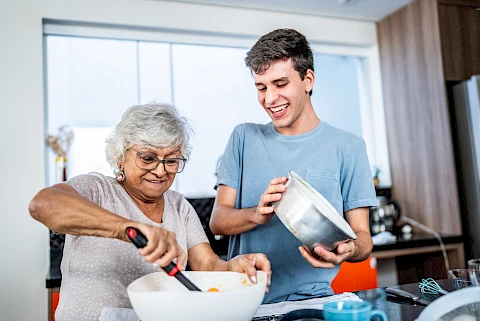
If you have recently received a diagnosis, the first week can feel like the ground has shifted. It hasn't. Many people live for years with early Alzheimer's while keeping the routines they love: the same kitchen, the same morning walk, the same tea at 3 p.m. Senior Helpers explains how staying independent with Alzheimer's can be possible.
What Early Alzheimer's Usually Looks Like
Most people diagnosed in the early stage can still drive familiar routes, cook a favourite meal, and manage bills with a bit of extra help. The hard days often centre on names, dates, and the need to follow a long story. Finding the right word gets slower, and new information doesn't stick the way it used to.
Those changes are real, but workable. Keep a journal by the phone, put a whiteboard in the kitchen for the day's plan, and refill a pill organizer every Sunday. The Alzheimer Society of Canada calls these adjustments "cognitive supports," and its First Link programme can connect a newly diagnosed person to a local coordinator who visits at home.
Setting up the House for the Next Few Years
Your home is your best ally. Keep the layout the same, and don't rearrange the kitchen or move the medication cabinet.
Label a few cupboards with picture stickers or clear letters, and put a large-print calendar somewhere you look every morning. Set the phone to display the caller's photo when it rings, and pre-load a shortlist of family numbers in case a stranger's call confuses you. Test smoke alarms every month, and consider a stove-shutoff device if a pot on the burner has already been forgotten once.
Staying Active in Body and Mind
Staying independent with Alzheimer's often comes down to staying active in body and mind, and the evidence on movement is strong. Regular walks improve sleep, mood, and cognition in early Alzheimer's. Twenty to thirty minutes most days is enough, and aiming for the same time each day helps it become a habit rather than a decision.
For the mind, pick activities you already enjoy rather than new "brain games": a daily crossword, a game of cribbage with a neighbour, or a choir practice at the community centre. Social contact matters as much as puzzles do, so keep the coffee dates and the weekly phone call with your sister. The Public Health Agency of Canada notes that regular social activity is associated with slower cognitive decline in older adults with dementia.
Building a Small Support Circle Early
Recruit a few key people for your support circle before you need them: a neighbour for quick help, an adult child for check-ins, and a trusted GP who understands your situation. Many families also bring in a professional caregiver for a few hours a week in the early stages, since it helps build familiarity before more support is needed. Consider discussing a Power of Attorney for property and personal care with your family while staying involved in your own care decisions.
Care That Keeps You at Home in Etobicoke and Mississauga East
Staying independent with Alzheimer's is a long project, and small choices made early stretch that independence for years. Our team at Senior Helpers Etobicoke & Mississauga East supports clients across Markland Wood, Mineola, Mississauga Valleys, and Port Credit. Our Senior Gems approach to Alzheimer's and dementia care meets each person where they are so that care can grow with the diagnosis. Contact us to talk about a home visit.