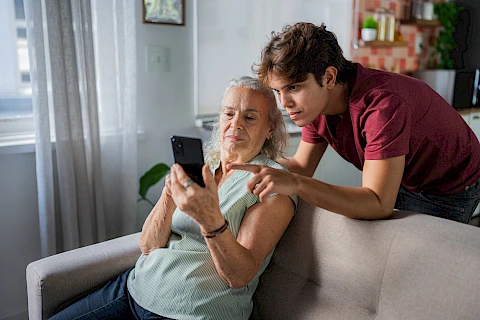
Scammers use familiar tactics, such as fake delivery texts, calls demanding gift cards, and urgent requests for donations. These are common scams targeting seniors, although people of all ages can be affected. Scammers rely on surprise and pressure to get victims to act without checking the details.
Knowing these patterns ahead of time gives families room to pause before anyone makes a payment. Senior Helpers Niagara Falls explains how to spot these three scams and what to do if you’re targeted.
No Honest Bill Gets Paid in Gift Cards
Legitimate businesses and government offices do not ask to be paid in gift cards. That fact alone can stop a lot of fraud. Scammers may claim to be:
- A utility company
- A tax office
- A bank’s security team
- A relative in trouble
These calls often come with a tight deadline, and the rush is part of the trick. Once gift card numbers have been shared, the money can be very hard to recover.
Having the conversation early helps. A family member who already knows that a gift card demand signals fraud has an easy reason to hang up. Some families also agree that any urgent payment request means calling a trusted relative or friend first.
Fake Delivery Notices and Other Common Scams Targeting Seniors
Online shopping tends to increase around the holidays, and scammers know it. Delivery scams often arrive by text or email, with a link to reschedule a parcel or pay a small customs fee. The link can lead to a page designed to collect card details or install harmful software.
Skip the link. Check the order on the retailer’s own website or app, or contact the courier using the tracking number from your original receipt. If you didn’t order anything, delete the message.
The Government of Canada’s Get Cyber Safe website explains how to recognize suspicious text messages. Bookmark the site so you can refer to its advice when needed.
Giving Safely When Charities Come Calling
Nobody needs to stop giving. Fake charities may borrow names that sound like familiar ones, and they can appear after a disaster or major news story.
These are among the common scams targeting seniors. Scammers may pressure people to make immediate donations by phone or ask for cash, wire transfers, or gift cards.
Before donating, look the charity up yourself and give through its official website. You can verify whether a charity is registered by searching the Canada Revenue Agency’s online list. Taking time to check is a reasonable response to any donation request, and a legitimate charity should understand that.
When Money Has Already Gone Out
Fraud can fool careful people, and acting quickly helps. If a payment has been sent, these steps may help:
- Notify the bank or card provider as soon as possible.
- Keep any receipts, card numbers, dates, and phone numbers.
- Report what happened to the Canadian Anti-Fraud Centre, which collects reports and shares information on current schemes.
- Consider filing a police report.
Embarrassment can keep people quiet, and that helps scammers. When a family responds without blame the first time, a loved one may be more comfortable mentioning the next suspicious call.
Neighbourly Help in Niagara Falls and Pelham
Having someone you trust nearby can help older adults recognize common scams targeting seniors. They can also provide support when a suspicious message causes confusion.
Senior Helpers Niagara Falls offers in-home care for older adults, including companionship and help with errands and daily routines. Its services are available across Niagara Falls, Niagara-on-the-Lake, Fonthill, and Pelham. Contact us to talk about support for your family.