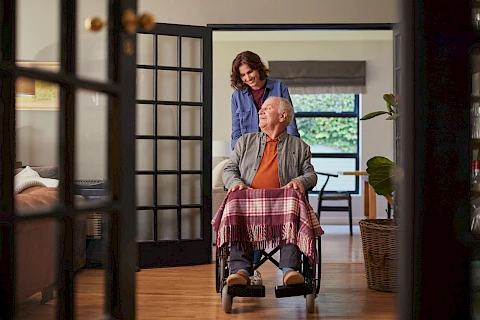
A smooth transition from the hospital to home is crucial for senior recovery. After a hospital discharge, seniors often face several challenges, from physical limitations to emotional stress. However, family and caregivers can support their recovery journey. It’s essential to help them appropriately to ensure they recover well and remain comfortable at home, or consider professional transition care.
Coordinating With Medical Teams
Communication with healthcare providers is essential in senior recovery. When a loved one is discharged from the hospital, it's important to understand their medical needs. Learn their discharge instructions and make note of any follow-up appointments. Always involve family members in medical discussions so everyone is on the same page. This ensures that no vital detail is missed.
Managing Medications
Organizing medications can be tricky, but it's a critical part of senior recovery. Start by ensuring all prescriptions are filled before your loved one arrives home, and take time to learn the correct dosages and timing for each medication. Creating a clear, easy-to-follow medication schedule can make all the difference in adherence.
Consider practical tools like pill organizers that separate medications by day and time, or set up phone or clock alarms as helpful reminders. Consider keeping a written log to track when medications are taken. By staying organized and keeping track of seniors’ medication plans, you can help them adhere to them effectively, which is vital for recovery and preventing complications.
Arranging the Home for Safety and Comfort
Assessing seniors’ living spaces for safety is important. Start by checking for potential hazards such as loose rugs or slippery floors. Modify the home environment to make it more accessible; this might involve installing grab bars or ramps. Make sure their living space is comfortable and supportive to aid their recovery.
Monitoring Senior Recovery and Recognizing Warning Signs
It's crucial to monitor seniors’ physical and emotional health. Observe their recovery and watch for signs of complications, such as unusual pain or changes in behavior. Be ready to seek medical attention if any complications arise. Staying vigilant can help catch problems early and prevent setbacks.
The Critical Role of Family in Recovery
Family involvement is vital to a smooth senior recovery. Providing emotional support and encouragement can make a significant difference. It can be beneficial to participate in seniors’ daily activities and care routines. However, it's also important to balance caregiving responsibilities with personal life to prevent burnout. Family members should work together to share duties and support one another.
Senior Helpers Offers Professional Transitional Care Services
A supportive network is crucial for seniors transitioning from hospital to home. Families in North York have access to valuable resources and should not hesitate to seek assistance. Contact us at Senior Helpers North York for guidance and professional support to ensure a safe and comfortable transition home. Your loved one's recovery is important, and with the right help, they can thrive.
We offer Return HOME services to assist in post-discharge care. These services provide professional support to ensure a smooth recovery. With our help, families can focus on emotional support while knowing their loved one is in good hands. Learn more about our ReturnHome services by visiting our website.