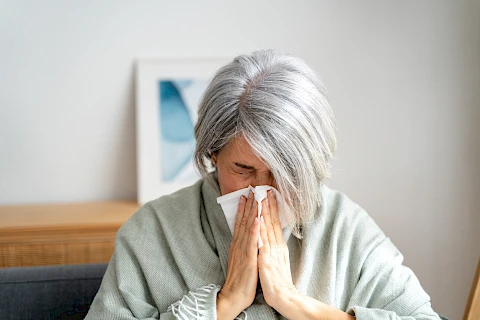
A runny or stuffy nose can signify either allergies or illness–and sometimes, it can be difficult to determine just which one it is. Clarifying whether symptoms are due to allergies or illness increases the likelihood that seniors will receive appropriate treatment and enhance their overall quality of life. As spring arrives, ensure you are prepared to identify essential differences.
Allergy Symptoms
Allergy symptoms are all too familiar: sneezing, runny or stuffy nose, itchy eyes, and scratchy throat. In seniors, allergies can also appear with chronic conditions, making identification challenging. Unlike younger individuals, seniors may experience increased fatigue and a general sense of being unwell from allergens. Monitoring these symptoms closely can help identify whether they are seasonal allergies or something more concerning.
Recognizing Illness Symptoms
Certain symptoms in seniors are more indicative of an illness than allergies. Fevers, chills, body aches, and a persistent cough are less likely to be caused by allergies and may suggest an infection or other illness. Distinguishing between ongoing allergy issues and symptoms indicating a more serious condition is important.
Many illnesses, such as the common cold and respiratory infections, can mimic allergy symptoms, so monitoring any unusual developments is essential. Pneumonia, for example, can present with allergy-like symptoms, but becomes dangerous if untreated.
Symptom Patterns and Tracking
Keeping a symptom diary helps track changes over time as seniors manage allergies or early signs of illness. Note when symptoms occur, their duration, and any relevant details such as exposure to allergens or changes in medication. Using digital tools, including health tracking apps, can help organize this information efficiently. Providing detailed records to healthcare providers can also significantly aid in accurate diagnosis and treatment plans.
When to Seek Medical Evaluation
Some indicators warrant a professional medical evaluation. If symptoms persist beyond a typical allergic reaction, consult a healthcare provider. Difficulty breathing, chest pain, or swollen lymph nodes also require immediate attention. Rapid intervention can prevent complications and ensure appropriate treatments are administered promptly. Seniors face a higher risk of complications, so proactive health management is vital.
Encouragement for Caregivers
Caregivers play a critical role in monitoring and managing seniors' health. It's important to remain vigilant and not simply dismiss symptoms as mere allergies. Engage with healthcare providers by sharing concerns and asking questions about symptoms. Building a strong rapport with healthcare professionals helps seniors receive comprehensive care. Employ active listening and assertive communication to advocate effectively for your loved ones' health needs.
We Can Help Seniors Manage Their Health Needs
Distinguishing between allergies and illnesses is vital for the health and well-being of seniors. By staying informed and attentive, caregivers can help seniors receive proper care and avoid unnecessary discomfort.
If you're in the North York area, Senior Helpers North York offers professional caregiving support, helping families provide the best care for their seniors. Reach out today to learn more about how we can help seniors manage allergy symptoms, seek care for illness when needed, and more.