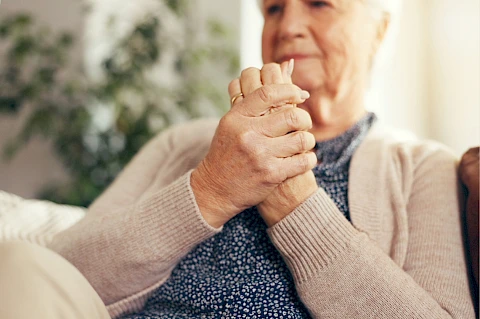
Caring for a loved one as they age can be both rewarding and challenging. One of the challenges for family caregivers involves understanding and identifying the early signs of illnesses in seniors, such as Parkinson's disease.
Parkinson's is a progressive neurological disorder that can severely impact daily life. Early detection is essential, as it can lead to better symptom management and a higher quality of life.
What Is Parkinson's Disease?
Parkinson's disease is a condition that affects movement and is caused by the degeneration of nerve cells in the brain. It primarily impacts dopamine-producing neurons, leading to movement issues and other symptoms. Despite being common among seniors, Parkinson's is not a normal part of aging. It’s important to differentiate between the two to avoid overlooking any warning signs.
Tremors
One of the early signs of Parkinson's in seniors is a tremor. Not all tremors indicate Parkinson's, but it's vital to pay attention to tremors that occur mostly at rest, begin in one hand or arm, and are rhythmic and regular. Unlike the occasional shiver or shake seen in normal aging, Parkinson's tremors are persistent and noticeable. These resting tremors typically appear when the affected limb is relaxed and may decrease or disappear during purposeful movement.
Gait Changes
Walking changes can also be an early sign. You may notice your loved one taking shuffling steps rather than their usual stride, or observe a reduced arm swing on one or both sides while walking. Difficulty starting or stopping movement is another common characteristic that can emerge early in the disease. These changes can affect balance and coordination, making falls more likely.
Handwriting Changes
Early signs of Parkinson's in seniors can also cause a noticeable change in handwriting, known as micrographia. This condition is characterized by smaller, crowded letters and difficulty maintaining consistent letter size throughout a sentence or paragraph. These changes occur because of the stiffness and slower movement associated with the disease. Paying attention to writing habits and discussing any notable deviations with a healthcare provider can be valuable.
Non-Motor Symptoms
Parkinson's isn't just about movement. Non-motor symptoms can often appear before any physical signs and may be overlooked as unrelated issues. Sleep disturbances are common early indicators, including trouble falling asleep, nightmares, or sleep talking that weren't present before. Mood changes represent another important category of symptoms to monitor. Your loved one may experience depression or anxiety that seems to develop without a clear cause, or you might notice a loss of motivation for activities they previously enjoyed.
Documenting and Communicating Observations
Note the frequency, duration, and circumstances under which symptoms appear. This information can help healthcare providers make informed decisions. When communicating with doctors, be clear and concise. Prepare questions and bring along the documented observations to ensure a productive conversation.
Senior Helpers Offers Professional Parkinson's Care
Early detection of the signs of Parkinson's disease in seniors can make a significant difference in managing the condition effectively. If you suspect that a loved one may be exhibiting signs of Parkinson's, consulting with healthcare professionals is a necessary step.
For caregivers in North York, Senior Helpers North York can provide support and resources to help manage Parkinson's care. Don't wait—reach out today to ensure that your loved one receives the best possible care.