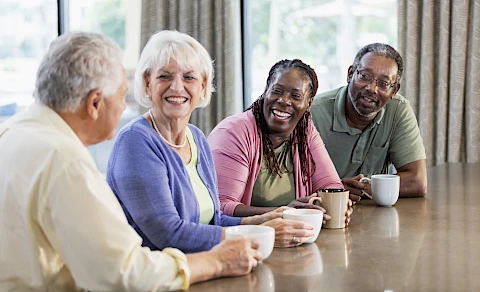
Your mother's calendar used to be full. Book club, her sister's weekly visits, coffee with the neighbours down the street. One by one, those connections have thinned out, whether from health changes, a friend moving away, or simply because social circles can become smaller over time.Helping her build new connections in North York takes a different kind of effort than maintaining old ones, but it's absolutely doable with the right approach.
Start With What They Already Enjoy
The easiest new connections form around existing interests rather than forced socializing. If your dad has always enjoyed woodworking, look for a local group or class built around that rather than pushing him toward generic social events he has no real interest in. Someone who loved singing in choir decades ago might find real joy reconnecting with music through a local community choir, even if she hasn't sung in years.
Libraries, community centres, and recreation programs in North York often provide accessible social activities for seniors in North York, including low-cost classes, clubs, and wellness programs. These tend to be less intimidating entry points than larger, more anonymous events. Mel Lastman Square and the North York Central Library both host regular programs worth checking out, and a short trip toward Toronto's wider community centre network opens up even more options for someone willing to travel a little further.
Removing the Practical Barriers
Transportation stops more new friendships than anything else. If your parent can't easily get to a class or group on their own, offer to drive for the first several sessions until the routine feels familiar, or help research accessible transit options nearby. Once the destination feels less like an unknown and more like a habit, much of the anxiety around going tends to fade.
Initial anxiety about walking into a room full of strangers is real and worth taking seriously rather than brushing off. Attending the first meeting together, then gradually stepping back as your parent gets comfortable, often works better than dropping them off alone on day one.
Addressing the Emotional Hurdles
Some seniors hesitate to make new friends because it can feel disloyal to old ones, especially after losing a spouse or a lifelong friend. Others simply feel out of practice after years without needing to introduce themselves to strangers. Naming this directly, rather than ignoring it, can help. Something like "I know it's strange starting over with new people, want me to come with you the first time?" acknowledges the real discomfort while still encouraging the step forward.
Patience matters here. New friendships, especially later in life, tend to build slowly over repeated small interactions rather than one big event. CAMH's resources on mental health and aging offer a useful reminder of why this effort pays off for mood and overall wellbeing, well beyond simply filling a calendar.
Letting Independence Lead
Your role is to open doors and remove obstacles. Once your loved one finds a group they enjoy, let them work out the social dynamics themselves, even if that means some friendships click and others don't. That's normal for anyone at any age.
Building a social circle later in life takes more intention than it once did, but the payoff, a richer routine and a stronger sense of belonging, can make the effort worthwhile.
We support families across North York in helping older adults build and maintain the connections that matter most to them. Contact us to discover how companion care can help your loved one attend activities, enjoy meaningful conversation, and feel more connected to the community.