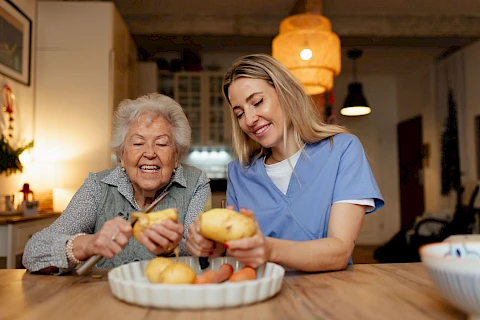
Proper nutrition helps maintain health and well-being for seniors. As caregivers, we ensure that our loved ones receive the right nutrition. However, several misconceptions can mislead caregivers when making dietary choices. We want to debunk common nutrition myths for seniors, providing evidence-based corrections to help caregivers make informed decisions.
Myth 1: Seniors Need Less Protein
A common myth is that seniors require less protein as they age. This belief might stem from the assumption that seniors have lower levels of physical activity. In reality, protein remains crucial for muscle maintenance, bone health, and overall well-being regardless of age. As seniors often face muscle mass loss, known as sarcopenia, adequate protein intake becomes even more important. Good sources of protein, such as lean meats, poultry, fish, dairy products, legumes, and nuts, can help maintain muscle mass and strength.
Myth 2: All Fats Are Bad
The idea that all fats are bad is another myth that can undermine senior nutrition. While it's true that unhealthy, trans, and saturated fats should be limited, healthy fats are essential for heart health, brain function, and inflammation control. Sources of healthy fats include avocados, nuts, seeds, and oils like olive and canola. Seniors should embrace these healthy fats while avoiding the bad ones found in processed foods. By incorporating beneficial fats into meals, seniors can enjoy delicious food while supporting their health.
Myth 3: Supplements Can Replace a Balanced Diet
Many believe supplements can make up for a poor diet, but this myth can lead to nutritional imbalances. Whole foods offer a variety of vitamins, minerals, fibres, and other nutrients that supplements alone cannot provide. While supplements can support diets with gaps, such as Vitamin D or B12 deficiencies, they should not replace meals. Caregivers should prioritize whole foods and consult healthcare providers to determine when supplements might be necessary.
Myth 4: Seniors Should Avoid Carbohydrates
Carbohydrates have been unfairly criticized, with some believing they should be avoided altogether. However, carbs provide energy and support brain function. Seniors should focus on complex carbohydrates found in whole grains, fruits, and vegetables rather than on simple carbs in sugary snacks and drinks. These healthy carbs offer fibre and essential nutrients without causing blood sugar spikes.
Myth 5: Hydration Isn't as Important for Seniors
A dangerous myth is that older adults don't need to drink as much water. However, seniors are at an increased risk of dehydration due to changes in body composition and a decreased sense of thirst. Staying hydrated is necessary for digestion, temperature regulation, and joint lubrication. Set a goal for about eight glasses of water a day, but this can vary depending on factors like activity level and climate. Incorporating water-rich foods such as fruits and vegetables can also contribute to hydration.
Senior Helpers Northumberland Offers Meal Planning and Prep
Debunking nutrition myths is needed for effective senior care. Engage with seniors about their nutrition and stay informed to advocate for their well-being.
For personalized senior care solutions, including nutritional guidance, contact Senior Helpers Northumberland. Our services extend across Brighton, Cobourg, Port Hope, Picton, and Sterling, ensuring tailored support for every senior's needs.