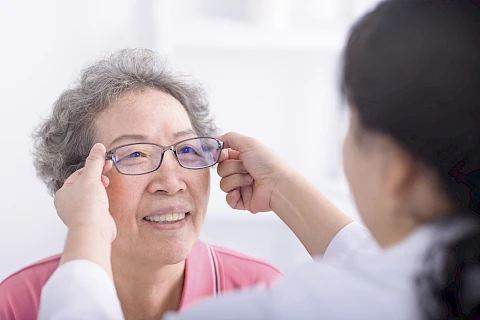
Vision changes are among the most common and least discussed challenges that come with aging. Your father might be squinting at the newspaper without mentioning it, or stopping herself from driving after dark but never quite saying why. For caregivers in Brighton, Cobourg, and Port Hope, staying proactive about a senior loved one's eye health can prevent serious complications, including falls, social withdrawal, and loss of independence.
Scheduling and Keeping up With Eye Exams
The single most effective thing a caregiver can do is ensure regular eye exams are scheduled. Many older adults haven't seen an optometrist in years, particularly if their vision felt "fine enough." The problem is that several serious conditions, including glaucoma, macular degeneration, and diabetic retinopathy, develop gradually and without obvious pain, making them easy to miss without a proper dilated exam.
The Canadian Ophthalmological Society recommends that adults over 65 have a complete eye exam at least once a year. If your loved one has diabetes or a family history of eye disease, more frequent visits may be appropriate. Help make this happen in practice: keep track of the last exam date, schedule the next appointment before leaving the current one, and arrange transportation so logistics don't delay.
Recognizing Changes That Need Prompt Attention
Not every vision change is gradual. Some symptoms require same-day medical attention. Sudden vision loss in one eye, a shower of new floaters or flashes of light, a dark curtain or shadow at the edge of vision, and sudden double vision are all signs that something may be acutely wrong with the eye or the brain. In Picton or Cobourg, where the nearest specialist may be a drive away, it's worth knowing your nearest emergency ophthalmology service in advance.
For changes that develop over weeks or months, watch for: difficulty reading small print that a new glasses prescription doesn't fix, increased sensitivity to glare, trouble distinguishing colours, or a growing tendency to hold things at arm's length or move them close to the face. Any of these deserves a conversation with the eye doctor rather than being quietly managed around.
Adapting the Home for Changing Vision
Good lighting is the most impactful home modification you can make for a senior with declining vision. Bright, even lighting throughout the house, especially in the kitchen, bathroom, and on stairways, significantly reduces the risk of trips and falls. Replace dim bulbs with the brightest safe option for each fixture. Add plug-in nightlights along any path your loved one takes at night.
Increase contrast where it counts: a brightly coloured strip along the edge of stair treads, a dark cutting board for light-coloured foods, a contrasting plate colour against the tablecloth. Large-print versions of calendars, medication lists, and phone contacts reduce frustration and errors. Many smartphones and tablets have accessibility settings that increase text size and display contrast at the tap of a button.
Supporting Eye Health Across Northumberland
Caregivers in Brighton, Cobourg, Port Hope, Picton, and Sterling are often the first to notice that something has shifted in how a loved one sees the world. Senior Helpers of Northumberland provides in-home care that supports daily safety and well-being, including helping seniors navigate appointments and manage changes in their health. Contact us to learn how we can help protect your loved one's independence and quality of life.