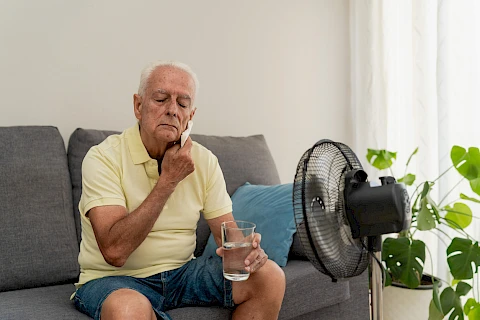
A stretch of hot, humid days can look harmless from inside an air-conditioned kitchen. For seniors, though, heat can affect the body in different ways. Understanding how older adults respond to extreme heat can help caregivers recognize potential concerns before they become serious. Senior Helpers Northumberland will explore summer heat safety tips to keep seniors comfortable throughout the season.
Why Heat Hits Older Bodies Harder
As people age, the body becomes less efficient at regulating its own temperature. Sweat glands slow down, circulation changes, and the sense of thirst often fades well before dehydration sets in. Add a chronic condition like heart disease or diabetes, both common among older adults, and the body has even less room to cope with extended heat exposure. Someone can be dangerously overheated before they, or the people around them, notice anything is wrong.
Medications That Change the Equation
Summer heat safety tips for seniors also involve considering their medications. Several common prescriptions affect how well seniors handle heat. Diuretics increase fluid loss, some blood pressure medications limit the body's ability to sweat, and certain antidepressants interfere with temperature regulation altogether. If your parent takes any of these, it's worth asking their pharmacist or doctor directly whether summer heat changes anything about dosage timing or hydration needs. A caregiver must remind about the daily medication routine and watch for changes, not to make medical adjustments alone.
Reading the Environment, Not Just the Thermometer
Humidity matters as much as temperature. A 28-degree Celsius day with high humidity can feel far more dangerous than a drier 32-degree day, because sweat can't evaporate efficiently and cool the body. Homes without central air conditioning need extra attention during heat waves. Fans alone don't lower body temperature once the air itself gets too warm, so a cooling centre, a mall, or a relative's air-conditioned home can be a safer bet on the worst afternoons.
Recognizing the Stages of Heat Illness
Recognizing heat illnesses is also an essential part of summer heat safety for seniors. Heat cramps and heavy sweating are the early warning signs. If they progress to heat exhaustion, expect cool, clammy skin, weakness, nausea, or a headache. Heat stroke is the emergency stage: hot, dry skin, confusion, a rapid pulse, and sometimes a loss of consciousness. If you suspect heat stroke, call emergency services immediately and try to cool the person down while waiting, using cool cloths or a lukewarm bath rather than ice water. Canada's heat safety resources offer a clear protocol worth reviewing before the next heat warning.
Simple Daily Habits That Prevent Trouble
Encourage water throughout the day rather than waiting for thirst. It can also be beneficial to offer hydrating foods—watermelon and cucumber are good options—and keep outdoor activities to the cooler morning hours. Light, breathable clothing and a wide-brimmed hat also go a long way. Small habits like these, repeated daily, prevent most heat emergencies before they start.
Building a Plan Before the Next Heat Wave
These summer heat safety tips for seniors work best as part of a plan made before a warning, rather than a scramble during one. Families in Brighton, Cobourg, Port Hope, Picton, and Sterling can reach out to Senior Helpers Northumberland anytime for guidance on keeping a parent safe and comfortable through the hottest stretches of the season. Contact us to talk about home safety checks or in-home support during heat advisories.