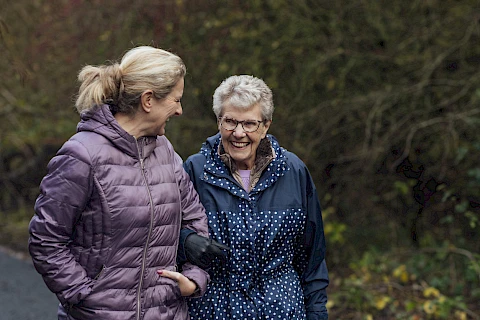
Exercise is easier to stick with when someone else is doing it too. A family carer turns chores into shared time by counting heel raises with her parent at the kitchen counter, or walking with a client at the waterfront each Tuesday. Senior Helpers knows that bones respond to regular movement at any age. So, creating exercise routines with older family members can definitely help with their overall health.
Check With a Doctor Before You Begin
Talk to a family doctor before starting any new exercise routines with older family members, especially after a fracture or an osteoporosis diagnosis. Some moves may need to be adjusted. Osteoporosis Canada's exercise page notes that exercise can be suitable for people with the condition. This applies to those with spinal or hip fractures, and suggests consulting a physiotherapist or kinesiologist for guidance.
A physiotherapist can identify movements to avoid, so ask about a loved one's maximum range of motion before attempting anything at home.
Walking Side by Side
Walking is weight-bearing, meaning the legs carry the body's weight, and that gentle load is good for bones. It's also easy to share. Try a flat stretch, or laps of a shopping centre on rainy days.
Make sure that the slower walker sets the pace. Start with 10 minutes and increase as stamina improves. Wear sturdy shoes, and keep chatting as you go, since being able to talk comfortably is a decent sign the effort is about right.
Strength Moves at the Kitchen Counter
Stand at a sturdy counter and aim for 8 to 10 reps of each, with a short rest between sets, if your doctor approves. Count the reps out loud together and try a few of these exercise routines with older family members:
- Hold the counter, rise onto your toes, and lower slowly.
- From a firm chair, stand up without using your hands if possible, then sit back down with control.
- Face a wall at arm's length, place palms flat, and bend the elbows to bring your chest toward the wall.
- Hold the counter and lift one leg out to the side, keeping the back straight.
Balance and Posture Practice
A fall is behind many fractures, so balance deserves as much attention as strength. The Canadian 24-Hour Movement Guidelines for adults aged 65 and older recommend a variety of physical activity types and intensities. Here are a few things to try:
- Try standing on one foot while keeping yourself steady by placing your hand on the counter.
- Heel-to-toe walking in a hallway, with the caregiver nearby, targets skills differently and offers a nice break from standing at the counter.
- Sit tall, squeeze shoulder blades together, hold, then relax. You can do this during a TV show without changing clothes or moving furniture.
- Taking a daily walk is also another way to maintain balance and posture.
Embracing Exercise Routines With Older Family Members
Winter is when routines slip for older adults. Senior Helpers Northumberland provides valuable support for older adults in several communities, including Brighton, Cobourg, Port Hope, Picton, and Stirling. By following our suggestions, you can help ensure overall well-being through physical activity. Contact us to learn how our caregivers can keep your family member active and safe.