Toronto's spring and early summer weather can shift fast. A warm afternoon can give way to a severe thunderstorm, flooding, or, in more unusual seasons, an ice storm that leaves roads inaccessible for days. For seniors living alone, these situations carry a particular weight. Having a plan in place before severe weather arrives allows seniors and their families to make decisions from a position of preparation rather than panic. Senior Helpers Mid-Town Toronto will discuss storm safety tips for seniors that will help them stay safe and prepared.
Building the Emergency Supply Kit Together
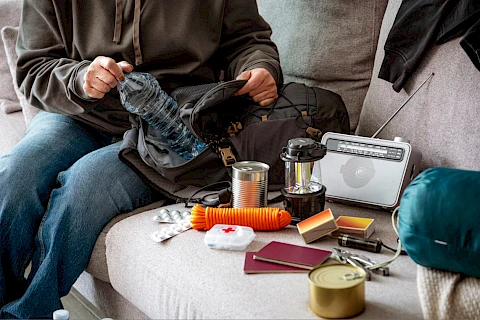
A well-stocked emergency kit reduces the time pressure in any weather event. Help seniors assemble one they know about and can actually access.
The core supplies to have on hand include:
- At least 72 hours of prescription medications (discuss this with their pharmacist, as some medications require planning to obtain)
- Bottled water and non-perishable food for at least three days
- Flashlights and extra batteries, or a hand-crank model
- A battery-powered or a hand-crank radio to receive emergency broadcasts
- A charged external battery pack for their phone
- Copies of key documents (health card, insurance information, emergency contacts) in a waterproof envelope
- Warm clothing and a blanket, even in summer (power outages change temperature quickly)
- Cash in small bills, since ATMs and card readers may be offline
Storm safety involves positioning the kit in a location seniors can easily access, even during a power outage. Review and refresh it with them every six months or so.
Making the Shelter-Versus-Evacuate Decision
For seniors living alone or with a caregiver, the decision to stay home or leave depends on several factors. This may include the nature of the emergency, seniors' mobility, any power-dependent medical equipment they use, and whether the building or neighbourhood is in a flood-prone area.
Emergency Management Ontario advises residents to follow all official evacuation orders immediately. If seniors use oxygen, an electric hospital bed, or other power-dependent equipment, evacuation should be the default unless conditions make it impossible. Identify in advance where they would go and make sure that the destination has what they need. This may include a family member's home, a friend's address in a different neighbourhood, or a registered emergency shelter.
If sheltering in place is the right call, check in frequently by phone or video. Ask seniors to give a short update every few hours during a serious storm so family members have a clear sense of their safety without having to guess.
Communication Plans for Caregivers at a Distance
For seniors living alone, a named neighbour can be invaluable in ensuring storm safety. Families should identify at least one nearby person who is willing to check on an older parent during an emergency and establish contact in advance. Exchange mobile numbers and establish a simple signal, such as a porch light left on as a sign that everything is fine.
Have a family communication plan that designates one person to coordinate updates so information remains consistent among family members. Decide in advance who calls, who monitors weather alerts, and who is responsible for arranging transportation if evacuation is needed.
Let Us Help Keep Seniors Ready When the Weather Turns
Effective storm safety starts with thorough preparation, helping seniors and their families stay calm when conditions worsen. Senior Helpers Mid-Town Toronto works with families throughout the Toronto area to provide dependable in-home care that includes helping seniors stay prepared and connected. Contact us to learn how our caregivers can help seniors feel safer through any season.