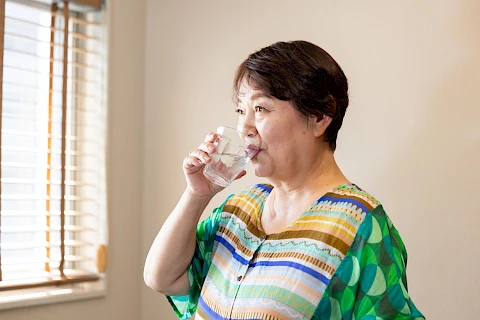
Ontario summers can be genuinely hot, and the area sees stretches of humid heat that are hard on anyone. For older adults, those conditions carry more risk than most families fully appreciate. The physiological changes that come with aging mean seniors lose and retain fluids differently. This makes dehydration a real concern even when the weather doesn't seem extreme. Hydration for seniors starts with recognizing the warning signs of dehydration and having a practical plan in place.
Why Seniors Face a Greater Dehydration Risk
There are several reasons older adults are more vulnerable to dehydration than younger people. The sensation of thirst diminishes with age, so a senior may not feel the urge to drink even when their body is already running low on fluids. Kidney function naturally declines with age, making it harder for the body to conserve water. Some medications, particularly diuretics and certain blood pressure drugs, also affect hydration in seniors. Reduced mobility can also mean that getting a glass of water requires more effort, and some seniors quietly limit their intake to avoid frequent bathroom trips.
It is recommended that seniors drink fluids consistently throughout the day rather than waiting until thirst signals appear, precisely because that signal is unreliable in seniors.
Recognizing the Signs Before They Escalate
Mild dehydration is easy to miss because early signs often resemble normal fatigue. Signs may include low energy, a mild headache, and slightly darker urine. As dehydration worsens, seniors may notice confusion or unusual irritability, dry lips or mouth, dizziness when standing, or a significant drop in urination. Severe dehydration can be a medical emergency. If your loved one seems unusually confused, is not urinating, or appears very weak on a hot day, seek medical care promptly rather than waiting.
For remote monitoring, a quick daily video or phone call asking a few casual questions can reveal a lot. Someone who is becoming dehydrated may speak more slowly, seem less alert, or have difficulty concentrating. Regular check-ins from a caregiver are equally valuable for this reason.
Practical Strategies for Encouraging Fluid Intake
Improving seniors' hydration often involves removing barriers and making fluids more appealing. Keep a filled glass or bottle of water within easy reach where your loved one spends the most time. Many seniors who don't enjoy plain water also have flavoured drink options. This includes sparkling water, diluted juice, herbal iced teas, or even a broth-based soup. Foods with high water content, such as cucumber, watermelon, and oranges, contribute to daily fluid intake and are particularly welcome in hot weather.
Setting a gentle reminder for seniors, whether through a phone alarm, a smartwatch, or a simple note on the kitchen table, encourages regular fluid intake instead of leaving hydration to chance. For seniors with a regular caregiver, that person can offer a drink at every visit as part of a routine. This builds the habit over time without it feeling medicinal.
If you are concerned that your loved one's fluid intake is consistently low, mention it to their physician. They can assess whether there are any underlying causes and advise on appropriate targets.
Supporting Your Loved One Through a Safe Summer
Families across Vaughan, Richmond Hill, Aurora, and Newmarket can count on Senior Helpers Vaughan for attentive, in-home support during the warmer months. Our team can assist with hydration routines, meals, and daily activities that help your senior loved one stay safe and comfortable throughout the summer. Contact us today to learn more.