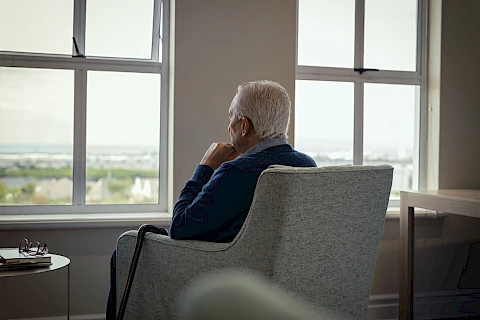
When you visit your senior loved ones, they may talk for an hour straight and walk you all the way to the car. However, that warm goodbye may also be a clue. Seniors who haven't had much company lately often hold on tight when someone finally shows up. Since isolation in seniors can be hard to spot from the outside, family caregivers can look for the seven signs below.
Signs You May Hear
Family caregivers may notice changes in how seniors talk about their daily lives and social plans. These changes may indicate that a senior loved one feels isolated or has limited social contact.
- Stories keep circling back to the past or the TV. When conversations focus on old memories or the latest news, it may mean that little has changed in their daily routine.
- Plans get cancelled in a steady stream. Your parent begs off a grandchild's recital or a friend's birthday lunch, citing the weather, a sore knee, or feeling tired. An occasional excuse means little, though a pattern over a couple of months deserves a closer look.
- Visits and phone calls are hard to end. Like the goodbye at the car, long calls and repeated invitations to stay a little longer can signal someone who's missing regular contact.
Signs You May See
Signs of isolation among seniors may also include changes to their surroundings, daily routines, and sleep patterns. Family caregivers can watch for these signs and check on their loved ones' well-being.
- The calendar stays empty. Check the kitchen calendar or the date book by the phone, and if weeks go by with nothing written in, ask about it gently.
- The house looks dim and closed up. Blinds drawn at midday and lights off in most rooms can reflect low energy or low mood. Winters are long, and short daylight hours can make staying in feel easier than going out.
- Appointments are missed, or prescriptions go unfilled. A senior may miss doctor visits or run out of medication when getting to appointments feels like too much effort. With a parent's permission, family caregivers can check with the pharmacist about their medication pickup schedule.
- Sleep patterns change. Napping most of the afternoon and lying awake at night can come from boredom as much as anything else. Mention persistent sleep changes to a doctor.
Why These Signs Matter
The Government of Canada's report on social isolation among seniors discusses social isolation among older Canadians, including risk factors such as living alone, losing a spouse, and changes in health or mobility. Loneliness can also affect emotional well-being. The Canadian Mental Health Association offers practical tips for coping with loneliness at any age.
If low mood lasts, encourage a visit to the family doctor.
Small Ways to Rebuild Connection
A regular weekly activity can help reduce isolation in seniors. It could be Sunday dinner at a daughter's house, a weekly drive to the library, or getting to know a neighbour who also lives alone. The key is to choose one activity on the same day each week.
For local programs, 211 Canada can help families find community services across York Region. Families can ask about seniors' centres, day programs, and volunteer visiting programs.
Discover Supportive Companion Care From Senior Helpers
A regular caregiver can notice changes in a senior's routine and well-being. Scheduled visits also give seniors something to look forward to each week.
Senior Helpers Vaughan offers companionship, transportation to appointments and outings, and help with daily routines at home. We serve Vaughan, Thornhill, Oak Ridges, Aurora, and Newmarket. Contact us to talk about companionship care for your senior loved ones.