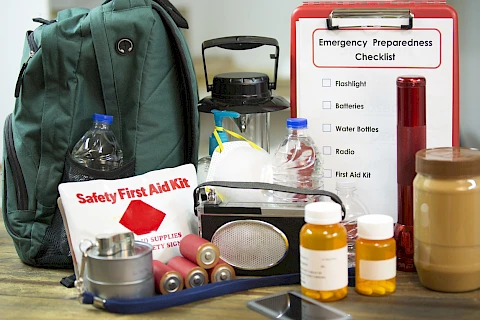
When a senior loved one lives alone, a winter power outage or sudden drop in temperature can make it difficult to manage everyday needs. Having a winter emergency kit ready means they’ll have important supplies close at hand if bad weather keeps them indoors or the power goes out. These practical tips from Senior Helpers can help you prepare a kit for your loved one and ensure it contains what they may need.
What to Include in a Winter Emergency Kit
The Government of Canada recommends being prepared to manage on your own for at least 72 hours. Its emergency kit checklist outlines the basic supplies to keep on hand. Print a copy to use as you shop, and consider your loved one's daily needs as you put everything together.
Start with water for drinking and washing, along with ready-to-eat food that doesn't require a stove. Good options include canned soup with pull-tab lids, peanut butter, crackers, and dried fruit. Keep a manual can opener nearby. You'll also need a flashlight, a battery-powered or hand-crank radio, and spare batteries.
Store these supplies in a sturdy bin with handles. Keep it on the main floor, somewhere your loved one can reach easily without having to climb stairs or move heavy items. A winter emergency kit should be easy to find and use, even during a power outage.
Keep Warm if the Heat Goes Out
Without a working furnace, indoor temperatures can drop quickly during a cold spell. Add extra layers and bedding so your loved one can stay warm if the heat stops working. Consider including:
- Wool or fleece blankets
- A cold-weather sleeping bag
- Thick socks, a warm hat, and mittens
- Hand warmers
Cold temperatures can affect the body, increasing the risk of hypothermia and frostbite, especially for older adults. If the heat goes out, staying indoors and keeping warm become even more important. Review safe heating practices with your loved one. Never use barbecues, camp stoves, or generators indoors, as they can produce dangerous carbon monoxide. Make sure the home has working carbon monoxide alarms with fresh batteries on every level.
Remember Medications and Other Personal Supplies
Medications and everyday necessities can be easy to overlook when gathering emergency supplies. Ask the pharmacist whether it's appropriate to keep a few extra days of medication on hand. Include a printed list of prescriptions and doses, and update it whenever medications change.
Depending on your loved one's needs, add spare glasses, hearing aid batteries, denture supplies, and incontinence products. A charged power bank can keep a mobile phone working longer, while a printed list of important phone numbers provides a backup if the phone loses power.
Make a Plan for Regular Check-Ins
Having supplies ready is only part of preparing for an emergency. Your loved one should also know who will check on them if severe weather arrives or the power goes out. Agree on who will call or visit, how often they'll check in, and what to do if they can't reach your loved one.
Remember to review the winter emergency kit each fall. Replace expired food and supplies, check the batteries, and make sure the flashlight and radio still work.
Everyday Support for Seniors This Winter and Beyond
Regular visits can make it easier for an older adult to manage daily routines during the colder months. Senior Helpers Saskatoon provides in-home companionship and assistance with errands, appointments, everyday activities, and more. Contact us to learn more about available services in Saskatoon.