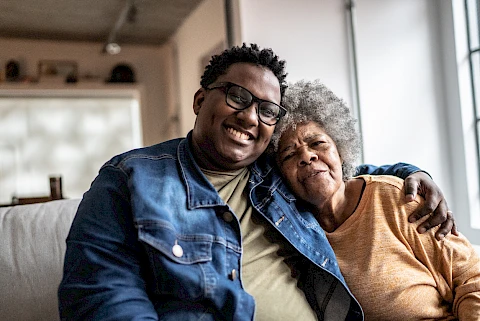
Caring for a family member brings deep meaning, yet the daily demands—appointments, medications, household responsibilities, financial concerns, and interrupted sleep—can take a physical and emotional toll. Sustained stress affects concentration, patience, decision-making, and health, directly influencing the consistency and quality of care a loved one receives. Small, practical habits built into everyday routines help steady emotions, preserve energy, and support the judgment and endurance that thoughtful caregiving requires.
The Effects of Sustained Stress on Caregivers
Caregiver stress arises from long hours, limited personal time, and the emotional toll of watching a loved one struggle with health issues. It affects concentration, patience, decision-making, and overall health, hindering the ability to provide compassionate, consistent care.
Quick Stress Relief Techniques
Breathing exercises, mindfulness, and short stretches can relieve tension and boost focus. Even a few slow, deep breaths, a brief guided meditation, or simple movements like shoulder rolls help calm the mind and improve circulation, but make sure to always check with your doctor before starting new exercises.
Time Management Tips
Caregiving days fill quickly, so prioritizing tasks, grouping similar activities, and building small buffers between commitments helps conserve energy and reduce stress. Delegating specific responsibilities to family or friends, with clear communication about needs, lightens the load while supporting steady, attentive care. Leveraging technology—like shared calendars, reminders, and delivery services—frees mental space, helping caregivers maintain focus, patience, and compassion throughout the week.
Building a Support Network
Sustained caregiving benefits from shared responsibility and steady emotional outlets, with regular conversations or brief check-ins helping process frustration and maintain perspective. Local caregiver groups through hospitals, community centers, or faith-based organizations provide opportunities to exchange practical advice and coping techniques, while Family Caregivers of British Columbia offers virtual support groups, educational materials, and discussion forums. Practical support matters as much as emotional support, and communicating care needs clearly—for transportation, companionship, medication reminders, or paperwork—reduces misunderstandings and strengthens consistency in care. Professional guidance from counsellors, social workers, or clergy can further support mental and emotional health, helping caregivers remain patient, focused, and steady.
Self-Care Practices
Caring for your own well-being supports the energy and patience needed for caregiving. Simple activities like reading, hobbies, or short walks can refresh your mind and body, while prioritizing rest and balanced nutrition sustains mood and resilience. When you are well-rested and nourished, you are better equipped to handle the physical and emotional demands of daily caregiving.
Professional Support and Resources
Partnering with experienced professionals can complement the care you provide while saving time and energy, with services such as respite visits, personal care, medication reminders, and transportation assistance. Caregiver training, planning sessions, and guidance from experienced professionals help families organize responsibilities and anticipate changing needs. Access to support and structured resources allows caregivers to recharge, maintain steadiness, and provide attentive, consistent care.
Seek Respite From Senior Helpers Kelowna
Stress management helps maintain the health and well-being of both caregivers and those they care for. By implementing quick stress relief techniques, managing your time effectively, and seeking support, you can maintain a healthier, more balanced lifestyle.
Senior Helpers Kelowna delivers in-home support to work alongside family caregivers in Penticton, Peachland, Summerland, and Oyama. Short-term respite care provides time to rest, attend appointments, or focus on other commitments, while ongoing personal care services assist with bathing, dressing, mobility, meal preparation, and daily routines. Contact us for support and resources to help you maintain balance in your caregiving journey.