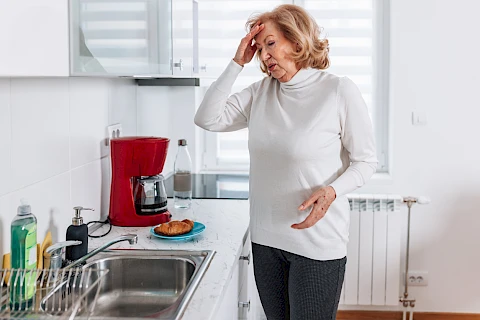
Fall in the Okanagan brings changing light, wet leaves on Kelowna sidewalks, and a spike in stumbles that can lead to real injuries. Balance Awareness Week lands in September for a reason. If you are caring for an older parent or spouse, the signs of a balance disorder can be subtle for months before anything obvious happens. Catching them early changes the trajectory.
Where Balance Problems Come From
Balance is more complicated than one system working on its own. Three systems work together: the inner ear (vestibular), vision, and proprioception (sensors in joints and muscles that tell the brain where the body is in space). When any one of them drifts, the others try to compensate. That compensation is exhausting, and it can only stretch so far.
The most common vestibular problem in older adults is benign paroxysmal positional vertigo, or BPPV. A specific head movement triggers it, usually rolling over in bed or tipping the head back. A short episode of intense spinning follows, then it settles. It is treatable, often in one or two clinic visits, but it goes undiagnosed all the time because seniors dismiss it as "just getting old."
Signs to Log and Bring to the Doctor
Watch for what your parent stops doing. Someone who used to garden but now avoids bending. Someone who used to shower daily but has quietly cut back to twice a week. Changes like these may reflect fear of falling, dizziness, pain, weakness, or another issue worth asking about rather than assuming there is one cause.
Direct signs to note: dizziness on standing, room spinning when rolling over in bed, a sense of floating or unsteadiness that comes and goes, needing to hold the wall when walking, veering to one side, or new hearing changes in one ear. Write down what triggers each episode and how long it lasts. Include what the sensation felt like and whether there was a fall or near-fall. That log is gold at the doctor's appointment.
Which Symptoms Are Emergencies
Some balance symptoms need immediate medical attention. Call 911 if sudden dizziness or loss of balance appears with facial drooping, weakness or numbness on one side, trouble speaking, or sudden vision changes. Sudden severe headache with dizziness. Dizziness with slurred speech, facial droop, or weakness on one side. New double vision. A first-ever episode of vertigo with vomiting. These can signal stroke or other serious problems, and you should go to the emergency department, not wait for a family doctor.
The Government of Canada has a clear stroke-symptom guide worth having on your phone. Bookmark it.
How Balance Issues Raise Fall Risk
An older adult with a vestibular disorder is at least two times more likely to fall, and the falls tend to be worse because they lose the reflex to catch themselves. Fear of falling then leads to less movement, which weakens the muscles that stabilize the body and further raises fall risk. Over time, less activity may reduce strength and confidence, making everyday mobility even harder.
If your parent has had even one unexplained fall in the past year, ask the family doctor for a referral to a balance specialist or vestibular physiotherapist. Treatment often works remarkably well.
Steadying Your Parent Across the Okanagan
Balance problems are frightening, but they are also more treatable than most families realize once they see the right specialist. Our team at Senior Helpers Kelowna supports caregivers across Kelowna, West Kelowna, Penticton, Lake Country, Summerland, Peachland, Winfield, Oyama, and other Okanagan communities with walking assistance, home safety evaluations, transportation to physiotherapy appointments, mobility support, and everyday support at home. Contact us if you would like a hand thinking through next steps for your parent.