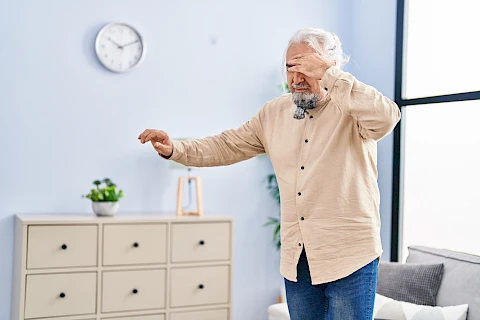
September's Balance Awareness Week is a good nudge to think honestly about a symptom most people brush off. Dizziness after a hot afternoon at the Kelowna Farmers' Market is one thing. Dizziness that keeps coming back, or lingers, or comes with new symptoms, deserves more attention. Recognizing concerning changes can help you know when it's time to seek medical care.
What Occasional Dizziness Can Look Like
Occasional lightheadedness happens to almost everyone as they age. Standing up too quickly from the couch, skipping breakfast, getting a little dehydrated after gardening, or standing in a warm shower too long can all cause a brief woozy moment.
These episodes share a pattern. They come on with a clear trigger. They pass in under a minute. They don't repeat several times in one week. And they don't come with any other symptom worth mentioning.
That kind of dizziness is worth noting but not worth alarm. A glass of water, moving more slowly when you get up, and a bit more salt in your diet (if your doctor allows) often do the trick.
When Dizziness Needs a Closer Look
Some episodes deserve a proper look. Book an appointment with your family doctor if you notice:
- Spinning sensations that come in episodes, even short ones
- Feeling off-balance regularly
- Dizziness when rolling over in bed or tilting your head
- New unsteadiness while walking, especially on stairs
- Falls or repeated near-falls
- Dizziness paired with hearing changes, ringing, or ear fullness
Any of these can point to something specific and treatable, from an inner-ear condition to a medication interaction to low blood pressure that's easy to correct. Don't wait for a fall to make the appointment.
Signs That Mean Get Medical Help Right Away
A few symptoms need urgent care, not a Monday appointment. If dizziness comes with possible signs of a stroke, such as sudden weakness or numbness on one side, trouble speaking, facial drooping, or sudden problems with vision, call 911 or head to Kelowna General Hospital right away. Other serious symptoms, including fainting, chest pain, or a sudden severe headache, also warrant prompt medical attention.
Dizziness following a head injury should also be medically assessed, particularly if there is worsening headache, vomiting, confusion, unusual drowsiness, weakness, or other new symptoms.
The Heart and Stroke Foundation of Canada uses the acronym FAST, meaning face, arms, speech, and time, to help people spot stroke quickly. Print it. Post it on the fridge. Share it with grandkids.
What to Tell Your Doctor
The more specific you can be, the faster the diagnosis. Before the appointment, jot down:
- When each episode happened
- What you were doing at the time
- How long it lasted
- What the sensation felt like (spinning, faint, off-balance)
- Any medications, prescription or otherwise, you're taking
Interior Health family doctors and walk-in clinics see this often. From there, next steps might include a physiotherapist with vestibular training, an ENT referral, or a medication review with your pharmacist at the Shoppers or London Drugs down the street.
A quick note: Ontario, BC, and Alberta all have provincial health resources at Canada.ca.
Staying Safe in the Okanagan
Balance problems are worth paying attention to, especially when they are new, recurring, or affecting everyday activities. If a parent or spouse in the Central Okanagan could use help around the house, safe support during appointments, or a friendly hand at home while things get sorted, our team at Senior Helpers Kelowna is here. We serve families across Kelowna, West Kelowna, Penticton, Lake Country, Summerland, Peachland, Winfield, and Oyama with in-home care built around each person's day. Contact us to learn how additional in-home support can make everyday routines easier to manage.