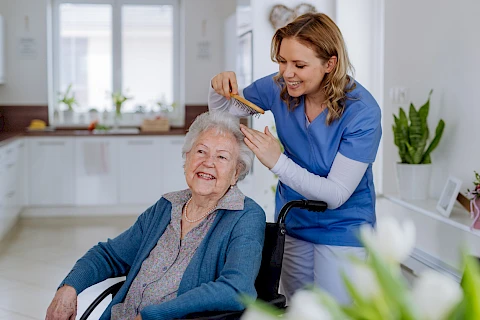
Personal care often goes more smoothly when seniors feel comfortable, respected, and in control of the routine. A few thoughtful adjustments can reduce stress, support independence, and make everyday self-care easier to maintain.
Prepare the Space First
Comfort often starts with the environment. Keep the room warm enough, provide good lighting, and have clothing, toiletries, towels, and grooming supplies ready before beginning. Frequently used items should also be easy to reach.
In Surrey, a shower chair or handheld showerhead may help someone who gets tired of standing. A sturdy chair near the closet can make dressing easier, while a well-lit mirror and organized grooming supplies can reduce unnecessary reaching and searching.
Privacy matters throughout personal care. Close doors or curtains and keep the person covered whenever possible during bathing, dressing, or toileting assistance.
Follow the Person's Energy
Ask when your parent feels most alert. Some people prefer getting dressed and groomed early, while others need breakfast and time to wake up first. Let the schedule fit their energy.
Not every task has to happen at once. Oral care may come after breakfast, while bathing or hair washing can wait until later in the day. Breaking the routine into smaller steps can reduce fatigue.
Avoid rushing. Extra time lets a person choose clothing, handle grooming tools, or complete the parts of personal care they can manage independently. Comfort can make it easier to stick with the routine from day to day.
The Government of Canada offers healthy aging information for older adults and families. Keeping the routine flexible can make personal care easier without abandoning familiar habits.
Reduce Physical Discomfort
Look for the movements that make personal care difficult. Bending to put on socks, lifting an arm into a sleeve, standing at the sink, or gripping a toothbrush may become tiring or painful.
Simple adjustments can help. Loose-fitting clothing, easy fasteners, larger-handled grooming tools, a seated dressing area, or supplies placed within reach can reduce strain without taking over the task.
For bathing, use warm rather than hot water and gentle products if skin feels dry or sensitive. Ask whether the temperature, seating, or products feel comfortable instead of assuming the usual setup still works.
Talk About Preferences Before Helping
A calm conversation away from the middle of the routine can make personal care easier later. Ask which products they like, which tasks they prefer to do alone, and where they would welcome help.
Explain what you are about to do before providing hands-on assistance and ask permission first. If your parent says no, find out whether the concern is privacy, pain, embarrassment, timing, or simply wanting more independence.
Keep familiar products and routines as long as they still work. A preferred toothpaste, hairstyle, morning routine, or favorite clothes can make personal care feel like part of normal life rather than a series of care tasks.
Making Everyday Care More Comfortable
Comfort and consistency often go together. When personal care fits a senior's preferences, energy, and abilities, everyday routines can feel less stressful and easier to maintain.
Senior Helpers Surrey North provides personalized in-home support that respects privacy, preferences, and independence. Contact us to learn how thoughtful assistance can make everyday personal care easier for your loved one.