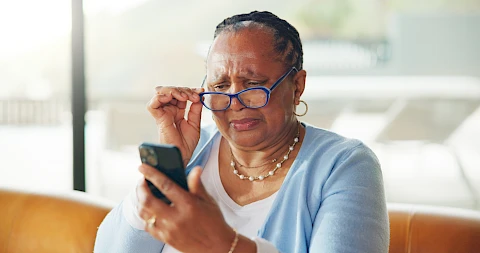
Vision changes can be easy to dismiss when they happen gradually, but they can affect reading, driving, balance, and other everyday tasks. Knowing which changes can wait for a routine exam and which need prompt attention can help older adults protect both their sight and independence.
Notice the Details
Eyes change with age. Reading in dim light may take more effort, colours may look less bright, and moving from sunlight into a darker room can take longer. Regular exams help track those changes.
Write down examples. Note if print blurs after lunch, headlights cause glare, or one eye seems different from the other. Health Canada notes that age-related changes may include difficulty reading small print, greater sensitivity to glare, slower adjustment from light to dark, and changes in contrast and colour perception.
Bring the notes. Specific details help an eye doctor understand what you are seeing. They can also show how the problem affects ordinary tasks.
Call Promptly for Sudden Symptoms
Sudden vision loss, a curtain-like shadow, flashes of light, many new floaters, severe eye pain, or sudden double vision should not wait for a routine appointment. Seek urgent medical attention. A sudden increase in floaters, flashes, or a dark curtain or shadow can signal retinal detachment, which requires immediate care
Pay attention to gradual changes. Trouble recognizing faces, bumping into furniture, headaches from reading, or growing difficulty with stairs can affect daily safety, even when the change happened slowly. Contact your eye doctor if familiar tasks are becoming harder.
A family member can help describe what has changed and arrange a ride if driving no longer feels safe.
Make Rooms Easier to See
Add even lighting. Stairs, hallways, bathrooms, and kitchens need light that reduces shadows and glare. Keep walkways clear and remove rugs that blend into the floor.
Use more contrast. A dark placemat under a light plate or tape on the edge of a stair can make an object easier to see. In Victoria, bright water glare may be stronger on a drive along the harbour.
Choose the right gear. In Sidney and Central Saanich, sunglasses and a wide-brimmed hat can make a sunny outing more comfortable (keep the spare pair by the door). Ask the eye doctor what lighting, lenses, or other adjustments may help with reading, driving, or screens.
Prepare for the Exam
Bring the full list. Take current glasses, every medication, and notes about symptoms, recent falls, headaches, diabetes, or other health changes. Ask what signs should prompt a call and when you should return.
Plan the trip. If night driving feels difficult, arrange transportation before the appointment rather than deciding after dilating drops. Ask the clinic how long those drops may affect your sight.
Adjust at home. Large-print labels, a larger phone font, and comfortable screen brightness can reduce daily strain while you wait. Ask for help with documents or other tasks that have become difficult to see clearly.
Support for Safer Routines
Changes in vision can affect far more than reading. They may change how comfortable someone feels moving around the home, preparing meals, getting dressed, or going out.
Senior Helpers Victoria provides in-home support for older adults in Victoria, Sidney, and Central Saanich. Contact us to find out how practical assistance can help your loved one stay confident with everyday routines as vision needs change.