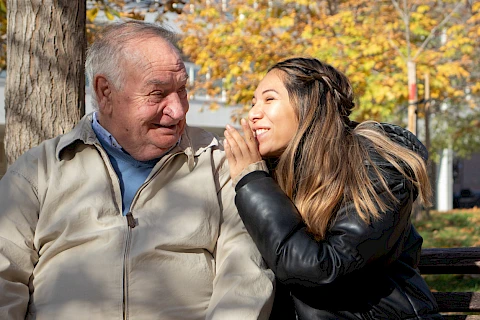
For many families on Vancouver Island, a ferry ride means being separated from the parent they worry about the most. Phone calls are helpful for a while, but as winter rain sets in, outings decrease. Eventually, a parent who once filled the week with bridge and garden club now spends most days alone. Senior Helpers highlights the risk of loneliness in seniors and urges caregivers to address the emotional well-being of those in their care.
Loneliness and the Body
Everyone experiences feelings of isolation at times, but when it is felt for extended periods, especially over months, it can be concerning. The Canadian Mental Health Association highlights that social disconnection is associated with depression, anxiety, and various health issues. It can lead to poor sleep, skipped meals, and decreased physical activity, each of which contributes to further health decline. The Government of Canada's report on older adults' feelings of social isolation emphasizes the impact of loneliness in seniors. It suggests that fostering connections should be a key aspect of health care for parents.
Who Faces the Greatest Risk
Some changes raise the risk of loneliness in seniors. The death of a spouse or close friend, which is the obvious one, but giving up a driver's licence can cut a person off just as quickly, especially outside the city core. New hearing loss makes conversation tiring. A move, even a downsizing within the same neighbourhood, breaks old routines, and a fall or a growing fear of falling can keep someone indoors for weeks.
Older adults who live alone, or whose children live on the mainland or out of province, may slip into isolation without anyone noticing for a long time, particularly in the grey months between Thanksgiving and March, when fewer people are out walking, and neighbours see each other less.
What Caregivers Can Do From Near or Far
There are many things that family carers can do regardless of the location. Here are some things to consider:
- Set specific days for calls or video chats, like Tuesday and Friday after lunch, so your parent knows when to expect them.
- A neighbour dropping off the newspaper, a friend from church, or a volunteer from a community agency can check in and notice things that a weekly call from Calgary might miss.
- Arrange rides to the seniors' centre. Hearing trouble deserves a doctor's visit.
- Keep health professionals informed. HealthLinkBC connects British Columbians with reliable health information. If sadness persists or a loved one loses interest in activities, inform a family doctor. In a crisis, call or text 9-8-8.
- Help your parent maintain one or two favourite activities, like a monthly lunch with old club members when weekly meetings are too much.
Compassionate Care and Companionship for Older Adults
Senior Helpers Victoria provides companionship and conversation for older adults. They also offer transportation to outings and appointments, as well as help with everyday routines in Victoria, Sidney, and Central Saanich. We can be the steady local presence for families living across the water. Contact us to talk about regular visits.