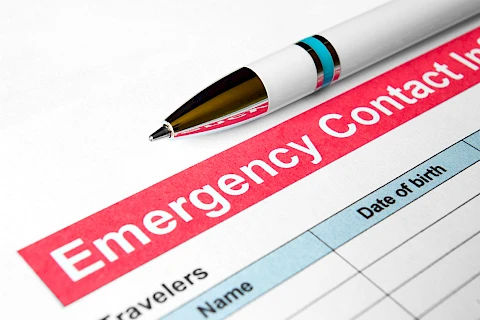
June is Safety Month, and one of the most practical steps you can take for your elderly relative right now costs nothing and takes less than an hour. A well-organized emergency contact list, one that's current, accessible, and shared with the right people, can make an enormous difference when something goes wrong and time matters. Senior Helpers knows how you can build a genuinely ready network.
Whom to Include and What Information to Gather
An emergency contact list for an older adult should go beyond a single name and phone number. Think in circles. The inner circle consists of those who can respond quickly in person, such as a nearby family member, a trusted neighbour, and, if applicable, a regular caregiver. The outer circle includes the family doctor, pharmacy, and regular specialists. For each contact, record:
- Full name and relationship
- Primary phone number and one backup number
- Availability (daytime only, available evenings, 24-hour reachable)
First responders greatly benefit from a one-page medical information sheet displayed in the home, usually on the refrigerator or inside the front door. It should include your loved one's full name, date of birth, health conditions, current medications and dosages, known allergies, and their primary care physician's name.
Making the Information Accessible to Responders
The emergency sheet does no good if paramedics can't find it quickly. The fridge door is a widely recognized location, and many emergency services in Ontario are familiar with this convention. You can also use a clear document sleeve attached to the inside of the front door.
Health Canada and provincial emergency planners recommend including your loved one's personal health card number on the information sheet. Also, list any medical equipment they rely on, such as oxygen, a pacemaker, or a CPAP machine. Health Canada's emergency preparedness resources offer additional guidance on preparing for health-related emergencies at home.
If your loved one has a smartphone, set up the Medical ID feature. On iPhone, it's in the Health app; on Android, you'll find it in settings. This allows first responders to access critical information even when the screen is locked.
Ensuring Multiple People Have Access
A single point of contact is a vulnerability; if that person is unavailable during an emergency, the system fails. Ensure at least three people have the contact list and medical information:
- One nearby
- One family member for distant coordination
- One neighbour or friend nearby
Review and update the list every six months or after any significant health change, as outdated information can be problematic. If your loved one agrees, consider using a shared document through a secure app or email for easy access to the most current information.
Building a Network That's Ready When It Matters
Having a solid emergency contact list in place brings peace of mind for everyone: you, your loved one, and anyone else in the support circle. Senior Helpers of Hamilton West offers professional in-home care for seniors in Hamilton and Burlington. Our caregivers can become a regular, familiar part of your loved one's safety network. Contact us to talk about how in-home care can complement the emergency planning you're already doing.