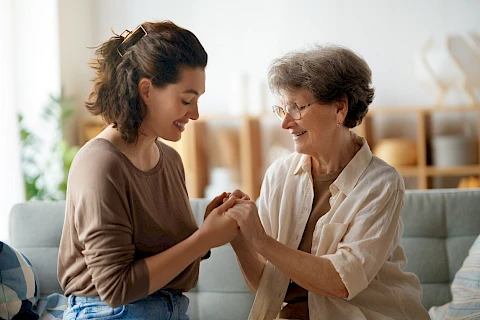
Caring for someone with Parkinson's disease can be both challenging and rewarding. Understanding this condition is crucial for any family caregiver who aims to provide the best possible support and care to their loved one. Senior Helpers will deliver important information about Parkinson's disease, explain its symptoms and progression, and equip caregivers with the knowledge needed to navigate this journey.
What to Know About Parkinson's Disease
Parkinson's disease is a chronic and progressive neurological disorder caused by the gradual loss of dopamine-producing neurons in the brain. Although the exact cause remains unknown, factors such as genetics and environmental influences may play a role.
Parkinson's disease is characterized by a variety of symptoms that fall into two main categories: motor symptoms and non-motor symptoms. Motor symptoms include tremors, which are involuntary shaking that often starts in the hand or fingers; rigidity, a stiffness in the limbs and trunk; and bradykinesia, a slowing down of movement, making everyday tasks difficult.
Non-motor symptoms are equally impactful. Cognitive changes, such as difficulty in concentrating and memory recall, may occur. Emotional challenges, including depression and anxiety, are also common. Sleep disturbances often become an issue, significantly affecting a person's overall well-being.
Stages of Parkinson's Disease
Parkinson's disease typically progresses through distinct stages, each with varying impacts on daily life. During the early stage, symptoms are mild and may only slightly affect daily activities. A person might notice minor tremors or slight changes in posture. It's an ideal time to seek medical advice to manage symptoms effectively.
In the middle stage, symptoms become more apparent and may require greater assistance in daily activities. This stage often involves increased difficulty with balance and movement, making everyday tasks more challenging.
As the disease advances to the final stage, mobility significantly declines, resulting in a need for comprehensive caregiving. The person living with Parkinson's may struggle with walking and maintaining independence, necessitating a robust support system.
Daily Caregiving Challenges
Caregivers face numerous challenges when supporting someone with Parkinson's. Providing physical care, such as helping with mobility or transferring from bed to chair, is common. Emotional and psychological support is also vital, as mood changes and depression can occur. Managing medications and coordinating medical appointments are ongoing responsibilities that require attention and organization.
Tips for Caregivers
To provide optimal care, take several proactive steps:
- Educating yourself about Parkinson's is fundamental; staying informed on the condition helps in anticipating changes and preparing for them.
- Building a support network of healthcare professionals, family, and friends provides the emotional strength needed to handle the caregiving role.
Don't neglect self-care; taking time to recharge physically and mentally ensures caregivers remain strong and capable.
Contact Senior Helpers for Comprehensive Senior Care Services
Navigating the complexities of Parkinson's disease can be daunting, but understanding the condition and having the right support makes a significant difference. Remember, caregivers are not alone in this journey.
Support is available, and reaching out for professional help can lighten the load. Senior Helpers Canada offers dedicated resources and support tailored to Parkinson's care needs. Contact us for senior care and assistance so you and your loved one can embark on this journey with confidence and compassion.