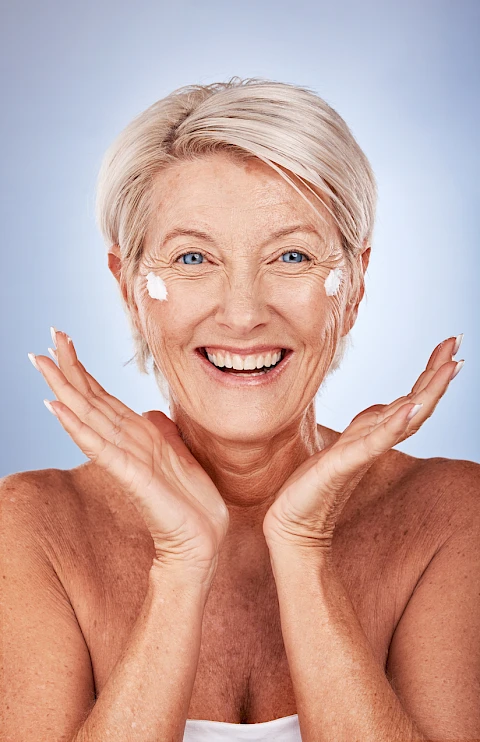
After a long Canadian winter, the first warm days of spring feel like a gift. Seniors and their families naturally want to get outside, whether that's a walk through the neighbourhood, time on the porch, or afternoon errands. That instinct is a healthy one. At the same time, it's worth noting that aging skin reacts to sun exposure differently than younger skin does, and a few simple habits can prevent real harm.
Why Seniors Need Extra Sun Protection
Skin changes with age in ways that increase vulnerability. It becomes thinner and less able to repair UV-induced damage efficiently. Years of cumulative sun exposure add up, meaning that a senior who spent decades gardening, golfing, or working outdoors already carries a higher baseline risk for skin damage and skin cancers. Medications common among older adults, including certain antibiotics, diuretics, and blood pressure drugs, can also cause photosensitivity, making the skin burn more quickly than expected.
The Canadian Dermatology Association recommends broad-spectrum sunscreen with SPF 30 or higher, applied generously and reapplied every two hours during outdoor activity. This applies on cloudy days as well, since up to 80 percent of UV rays penetrate cloud cover. Sun protection is a year-round practice.
Choosing the Right Sunscreen and Protective Clothing
For older adults, sunscreen selection matters. Look for a broad-spectrum formula that blocks both UVA and UVB rays. Mineral-based sunscreens containing zinc oxide or titanium dioxide are a good choice for sensitive or thinning skin, as they tend to be gentler than chemical alternatives. Apply to all exposed areas, including the face, neck, tops of hands, and the scalp if hair is thinning.
Clothing offers reliable, effortless protection. A wide-brimmed hat shields the face, ears, and back of the neck. Long-sleeved shirts made from lightweight, breathable fabric are comfortable in mild spring temperatures. UV-protective sunglasses protect the eyes and the delicate skin around them. Many clothing brands now offer garments with a UPF (Ultraviolet Protection Factor) rating, which takes the guesswork out of sun coverage.
Monitoring Skin Changes Throughout the Year
Seniors and their caregivers should make a habit of regularly checking the skin. New spots, moles that change in size or colour, patches that bleed or don't heal, and areas of rough, scaly texture are all worth flagging to a physician or dermatologist. Early detection makes a significant difference in outcomes for most skin conditions.
A caregiver who helps with bathing or dressing is often well placed to notice these changes. If something new appears, document it with a photograph dated on a mobile phone so there's a clear record to bring to an appointment. Don't wait for an annual check-up if something looks different or concerning.
A Practical Approach to Spring and Beyond
Spring is a wonderful time to establish sun protection habits that carry through the year. Keep sunscreen somewhere visible, near the door or next to a morning medication, so it becomes part of the routine. Schedule outdoor activities for early morning or late afternoon when UV index levels are lower.
Senior Helpers Canada supports older adults and their families with attentive, compassionate in-home care, including assistance with daily routines and personal care. Whether your loved one needs a reminder to apply sunscreen before a morning walk or support with more involved daily tasks, we're here to help. Contact us to learn more about in-home care services available across Canada.