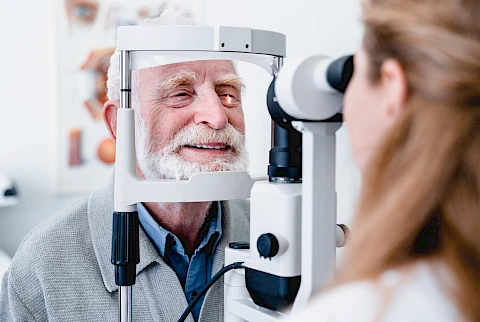
Aging changes seniors' eye health in ways that are easy to overlook. Reading small print, driving at night, or spotting a step down all get harder with common eye conditions, and a senior may adjust around the trouble long before mentioning it. Fortunately, routine exams can help catch the shift early.
Bring Small Changes to an Eye Exam
Reading labels can get harder, so can driving after dusk or stepping from bright sun into a dim hallway. Seniors should mention these changes at an eye exam, even if they seem minor.
Book regular eye checks. Some eye conditions give little warning at first, and an optometrist can compare today’s results with earlier ones. Bring seniors' glasses, a list of their medications, and a note about any eye health changes you have noticed.
Know the Signs That Need Quick Care
Sudden vision loss, a curtain-like shadow, new flashes, a sharp rise in floaters, severe eye pain, or sudden double vision need urgent attention. Call an eye care professional or seek emergency help right away.
Other eye health changes in seniors can wait for an appointment. Faces may seem less clear, stair edges may blend into the floor, or their eyes may take longer to adjust after coming indoors. Ask seniors to write them down as they occur. That detail can give clinicians a clearer picture.
Make Rooms Easier to See
Good light takes pressure off seniors' eyes. Put a lamp beside the chair where they read, brighten the kitchen counter, and use a night light on the path to the bathroom. The little plug-in light by the hall baseboard can be a real help.
Contrast also helps in protecting seniors' eye health. A dark placemat under a pale plate, tape along a light-coloured step edge, and large-print labels can make daily tasks less tiring. Keep cords out of walkways and store often-used items between knee and shoulder height, because reaching down while trying to read a label or judge a distance can turn a routine task into an awkward one.
Keep Familiar Routines Within Reach
Start with one activity seniors miss. A magnifier may help with mail, a larger-print calendar can make dates easier to find, and a different lamp may bring a favourite crossword back into view. Try one change at a time.
Clean glasses with a microfibre cloth and keep them in the same case when they are off. Ask a pharmacist about larger-print labels if medicine bottles are hard to read. Remember to let seniors know before moving any furniture, as familiar paths support their daily routines.
Before an appointment, make a short list of the tasks that have changed. Mention trouble reading a recipe, spotting a bus number, or seeing the edge of a curb. Ask the optometrist to explain any new prescription in everyday terms, and write down the date of the next exam for easy reference.
A few outdoor habits can also protect seniors' eye health. Let seniors wear sunglasses that block ultraviolet rays, use a brimmed hat on bright days, and take a break from glare when it bothers them. It can also be beneficial to keep screens comfortable. Increase text size, reduce reflections, and move the device closer to prevent squinting.
Discover Support That Respects Seniors' Routines
Eye health changes in seniors can call for a few practical adjustments. Senior Helpers Canada can talk through support for the routines you want to keep. Contact us to learn more about our compassionate in-home care for seniors across Canada.