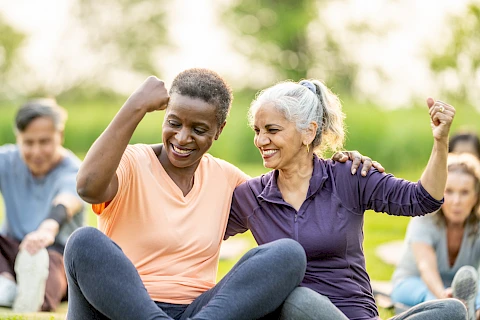
As women age, their health needs continue to change. While healthy aging looks different for everyone, staying proactive about physical, emotional, and social well-being can help older women maintain their independence, confidence, and quality of life.
From keeping up with preventive care to supporting bone, heart, and emotional health, there are many ways senior women can take an active role in their wellness. Family members and caregivers can also provide valuable support by encouraging healthy routines, helping with appointments, and making everyday activities safer and easier.
Stay Current With Preventive Care
Regular appointments with healthcare providers can help identify potential health concerns early and give older adults an opportunity to discuss changes they may be experiencing.
A healthcare professional can recommend an appropriate schedule for screenings and preventive care based on a woman’s age, medical history, medications, family history, and individual needs.
Older women may want to speak with their healthcare providers about preventive care related to areas such as:
-
Blood pressure and cholesterol
-
Diabetes
-
Breast health
-
Colorectal health
-
Bone density
-
Vision and hearing
-
Vaccinations
-
Medication management
Screening recommendations can vary by province, territory, age, and individual health needs, so seniors should work with their healthcare providers to determine what is appropriate for them.
Make Heart Health a Priority
Heart health is an important part of healthy aging for women. Supporting cardiovascular wellness often starts with everyday habits, including staying physically active, choosing nutritious foods, managing stress, getting enough sleep, and following advice from healthcare professionals.
Even small changes can make a difference. A daily walk, preparing more balanced meals, or finding enjoyable ways to stay active can help make healthy habits feel more manageable.
For seniors who need additional support, a caregiver can offer encouragement, assist with meal preparation, accompany them on walks, or help with transportation to appointments.
Protect Bone and Muscle Strength
Maintaining strong bones and muscles becomes increasingly important with age. Changes in strength, balance, and mobility can affect a senior’s ability to safely complete everyday activities.
Older women can speak with their healthcare providers about ways to support bone health, including appropriate physical activity, nutrition, calcium and vitamin D needs, and whether bone-density screening is recommended.
Strength and balance exercises may also help support mobility and confidence. Seniors should consult a healthcare professional before beginning a new exercise routine, particularly if they have chronic health conditions, mobility concerns, or a history of falls.
Support Healthy Nutrition and Hydration
Good nutrition plays an important role in supporting energy, strength, immune health, and overall well-being. However, maintaining a balanced diet can sometimes become more challenging with age.
Changes in appetite, mobility limitations, medications, difficulty grocery shopping or cooking, and other factors can all influence eating habits.
Senior women can benefit from meals that include a variety of nutrient-rich foods, along with adequate hydration throughout the day. Family members and caregivers can help with grocery shopping, meal preparation, hydration reminders, and creating positive mealtime routines.
Pay Attention to Mental and Emotional Wellness
Women’s health involves more than physical health. Emotional well-being, meaningful relationships, and a sense of purpose are also important parts of healthy aging.
Life transitions such as retirement, the loss of loved ones, changing health needs, or living farther away from family can affect emotional wellness and social connection.
Staying connected through hobbies, community programs, family gatherings, volunteering, faith communities, or regular conversations with friends can create valuable opportunities for social engagement.
Family members should also be aware of significant or ongoing changes in mood, sleep, appetite, interest in activities, or social engagement and encourage their loved one to speak with a healthcare professional when appropriate.
Maintain an Active Lifestyle
Regular movement can support many aspects of healthy aging, including mobility, strength, balance, cardiovascular wellness, and independence.
Staying active does not necessarily mean following an intense exercise program. Depending on a senior’s abilities, activities may include:
-
Walking
-
Gardening
-
Stretching
-
Chair exercises
-
Water-based activities
-
Dancing
-
Strength or balance exercises recommended by a healthcare professional
The most sustainable activity is often one that is safe, enjoyable, and realistic enough to become part of a regular routine.
Create a Safer Home Environment
Supporting women’s health also means creating an environment where seniors can comfortably and confidently continue their daily routines.
Simple home safety changes can make a meaningful difference. Families may want to look for potential hazards such as loose rugs, poor lighting, cluttered walkways, or frequently used household items that are difficult to reach.
Additional support with bathing, dressing, mobility, errands, meal preparation, or household tasks can also help older women continue living safely and independently at home.
Healthy Aging Is About the Whole Person
There is no single approach to healthy aging. Every woman has different health needs, abilities, interests, and goals.
Supporting senior women means looking at the whole person — physical wellness, emotional health, social connection, safety, independence, and the ability to continue participating in activities that bring meaning to everyday life.
At Senior Helpers, our caregivers provide personalized in-home support tailored to each client’s individual needs and routines. From assistance with personal care and meal preparation to companionship, transportation, and help around the home, Senior Helpers can provide an additional layer of support that helps older adults continue living life on their terms.
If you or an aging loved one could benefit from additional support at home, contact your local Senior Helpers office to learn more about personalized senior care services.